
CHICAGO, IL (February 1, 2019) – Covenanters routinely share links to social media articles
and videos that Covenant News Service believes may be of interest to others. Each Friday we post five of them. Following is a sample of those submissions—their inclusion does not represent an endorsement by the Covenant of any views expressed.
Into the Dark
This brilliant, engrossing story describes what went on behind the scenes as experts tried to figure out how to do the impossible—rescue 12 Thai boys and their soccer coach from deep inside a flooded cave. Few options for effecting a rescue were available, and the one eventually chosen was described as “madness.” The odds of success were near zero.
From the article: “Anaesthesiology requires more training than most branches of medicine; there is always some risk that when a patient is put under, he or she will never wake up. When the patient is a child, the risks are greater. When the child is yanked along underwater for hours through a dark, cold cave, the risks are incalculable—no one has ever done anything like this before.”
Why It’s Wrong to Label Students ‘At-Risk’
Ivory Toldson, professor of counseling psychology at Howard University, argues that using the term “at-risk,” rather than an effective way to describe students who demonstrate lower levels of academic success due to nonacademic factors, is in fact potentially harmful. The author of No BS (Bad Stats): Black People Need People Who Believe in Black People Enough Not to Believe Every Bad Thing They Hear about Black People doesn’t just describe the dangers of the term—he also offers alternatives.
From the article: “Of all the terms used to describe students who don’t perform well in traditional educational settings, few are used as frequently—or as casually—as the term ‘at-risk.’ The term….is often applied to large groups of students with little regard for the stigmatizing effect that it can have on students.”
The Gospel in Every Sign Language
The Passion Conference held last month raised nearly $500,000 to help fund Bible translations for the deaf.
From the article: “Sign languages, with an estimated 400 different versions used around the world, have been considered the final frontier for Bible translation, according to Wycliffe Bible Translators. American Sign Language is the only one that has a full New Testament translation.”
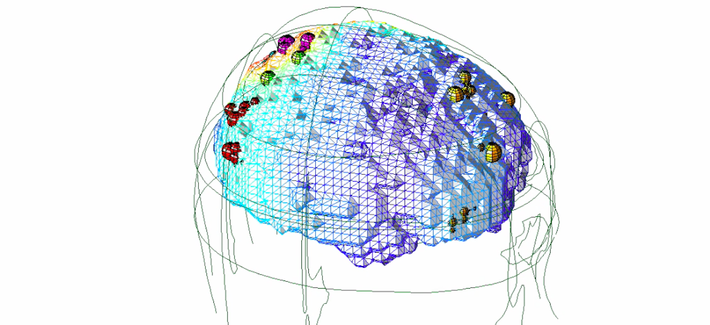
How Electric Therapy Is Curing Navy SEALs of PTSD
The headline may be overstating the case—“cure” can be a relative term—but this new procedure could change how mental health disorders are treated.
From the article: “What Tony and several other former U.S. Special Operations Forces personnel received…was a new treatment for brain disorders, one that might just revolutionize brain-based medicine. Though the FDA clinical trials to judge its efficacy and risks are ongoing, the technique could help humanity deal with a constellation of its most common mental disorders—depression, anxiety, aggressiveness, attention deficit, and others—and do so without drugs. And if its underpinning theory proves correct, it could be among the biggest breakthroughs in the treatment of mental health since the invention of the EEG a century ago.”
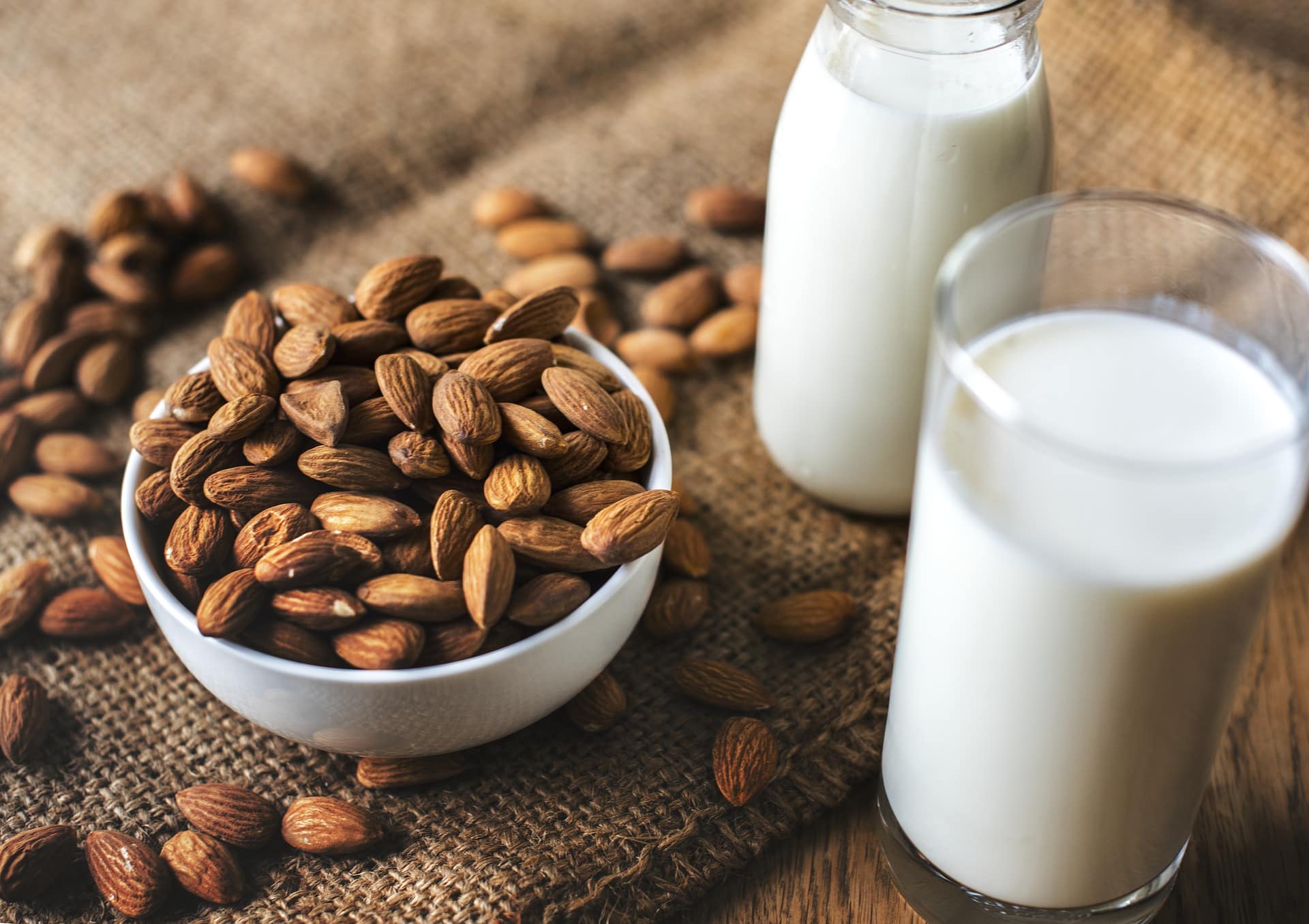 White Gold: The Unstoppable Rise of Alternative Milks
Some say that the latest trend in milk is just, um, nuts as alternatives made from a variety of nuts, hemp, quinoa, and peas, just to name a few, are growing. (Milk seems to be getting a lot of attention lately. “Super milk” may help rescue the dairy industry.)
From the article: “To converts, almond and oat milk are the next wave in a fundamental shift towards a more conscious, sustainable way of living. To critics, they’re little more than cleverly marketed nut juice with additives—a symptom of everything that’s wrong with modern food culture. And so a strange battle has emerged, between an industry trying to replace something it says we don’t need in the first place, and dairy, a business that for a century sold itself as the foundation of a healthy diet, while ignoring the fact that most of the world does just fine without it.’”