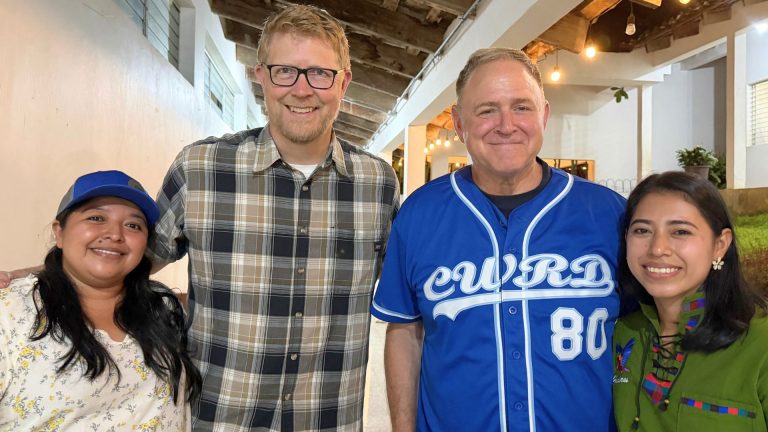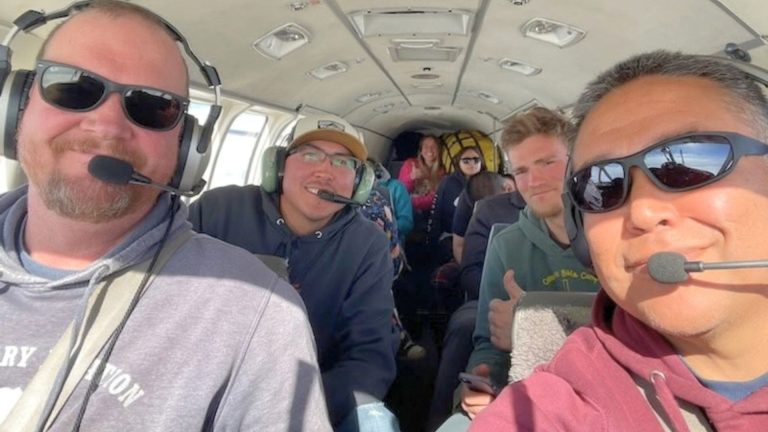
This summer I traveled to Honduras with Covenant World Relief and Development (CWRD) and Merge on their first-ever vision trip, which is an invitation for people across the Covenant to witness the work being done by our global partners and then bring those stories home to their churches.
We visited COCEPRADIL, a longtime CWRD partner working in the rural mountains of Lempira, Honduras. Throughout the trip, I kept praying, “God, what do you want me to share about the work here?” By the end of the week I heard in my heart, “These are my good and faithful family. I am so very proud of them.”
CWRD is known for its disaster relief work. When a natural or human-caused event happens in the world, Covenanters want to give through CWRD because they trust that funds will go to the people who need them most. Over the years, CWRD has added development work to its relief work, and this trip was about development projects: clean water, food security and nutrition, and animal husbandry.
Nils Clauson, CWRD’s director, began our week by sharing words on Jesus’s feeding of the five thousand. When the crowd was hungry, Jesus told the disciples to go and see what they had. The loaves and fish didn’t come from the disciples. They came from a boy in the crowd.
That is how COCEPRADIL works. They start with what a community already has, rather than showing up as the sole provider. It’s a partnership.
COCEPRADIL (Comité Central Pro Agua y Desarrollo Integral de Lempira) has been doing this work for a long time. It started in 1989 as an association of village water committees in Lempira. Water is still at the heart of what they do, but the work has grown. Now they help farmers take care of their land and teach families about health and nutrition. The water committees saved up money from their monthly fees, which then became a cooperative that makes loans for water and sanitation. The organization is set up so leadership rotates, with different leaders over the years.
In each village we visited, people wanted to tell us what they were learning. They talked about hygiene. They showed us how they check their water meters. They explained how to raise livestock safely around the house, keeping chickens and pigs in a fenced area instead of right outside the door. It was clear they were working hard and taking care to steward what they had received.
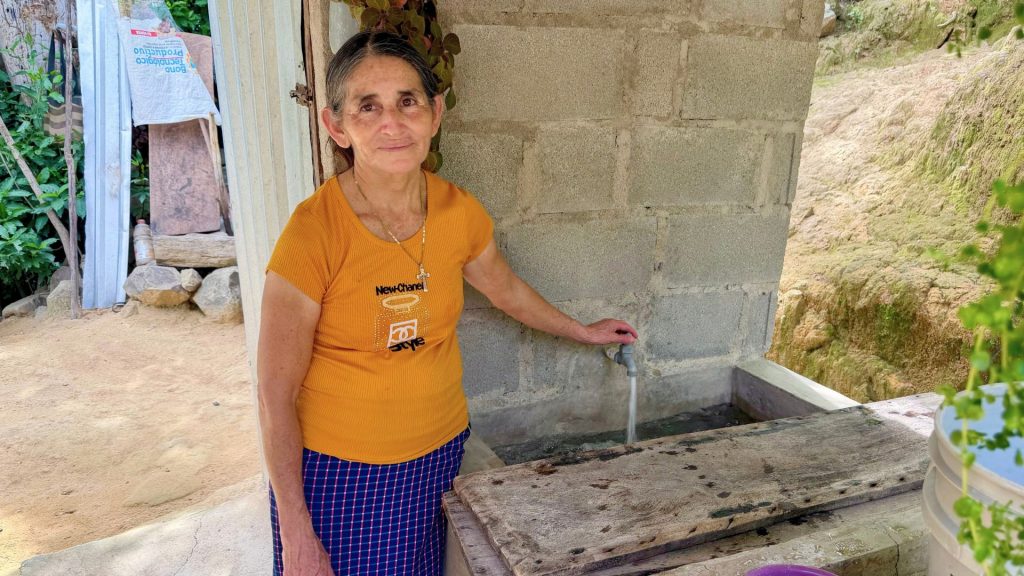
The first village we visited got running water about four years ago. Before the system was built, people would camp out by the old well because the water came so slowly. It was even less reliable in dry seasons. Now the system pulls from a well deep underground, and around 500 people, or 50 families, have water in their homes. One man told us he had lived there for 79 years without running water. People didn’t think the project would ever happen. One of the older women kept praising God for answering her prayers.
After the money had been raised, the village hired a company to dig the trenches. But the terrain was too steep, and the machines didn’t work. The company came out twice and failed both times. In the end, the men of the village dug the trenches by hand.
The more I learned, the more tired I felt. It is so much work, in every way.
Some villages are still without running water, and setting up a system takes a lot more than getting the finances for the project. A certain percentage of families in a village must commit before a project can move forward. Some families have to give up land they have lived on for generations, like those whose homes sit right on top of the water source. Families pay for the water meters installed in front of their homes and dig their own trenches for the septic tanks. All of this happens in mountains where the closest airport is eight hours away, and the roads aren’t paved.
Once a system is running, it has to be maintained. Each family tracks its water use on its meter. COCEPRADIL helps each village form its own leadership team. They have the expertise and could make all the decisions themselves, but instead they share that power with the villages. Each year they hold meetings with reports and updates, and decisions go to a vote.
The same goes for their finances. COCEPRADIL could profit from its water rights. Instead, the water fees go back into serving the communities.
As someone who mostly grew up in the States, I tend to think about how to make things easier. How can this run more smoothly so I don’t have to worry about it? I don’t have to think about the water coming into my home. It just comes, and it’s clean. Some of our cities even brag about their tap water. New York is so proud of its water that there’s a pizza place here in Chicago that uses New York tap water in its dough.
Being in those mountains reminded me that the best things in life usually don’t just land in your lap.
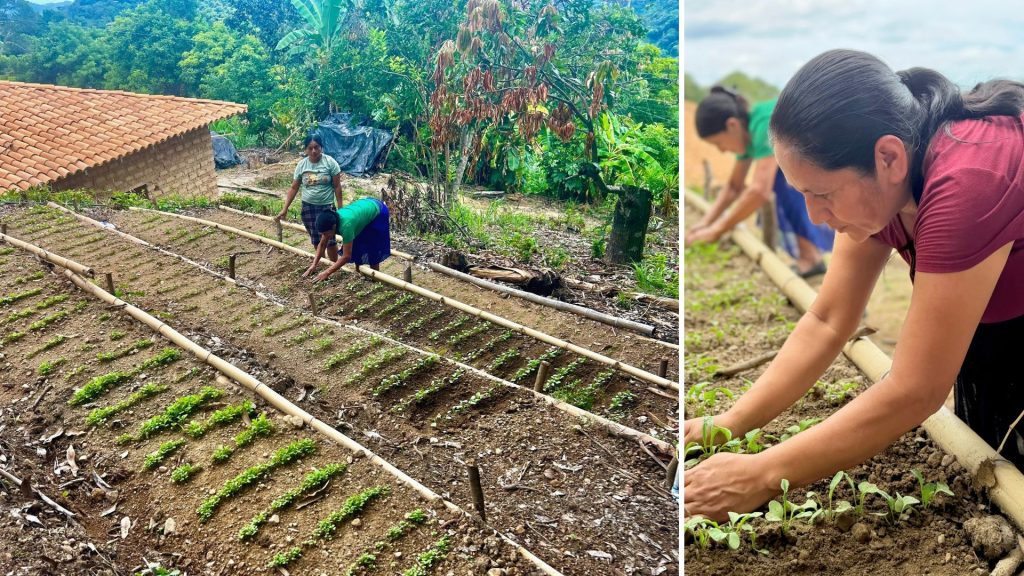
We visited vegetable gardens growing on the side of a mountain. Many people in these villages are farmers, and several were out in the fields when we visited. In July, they would normally be working on their second harvest. But this year was so dry that they were still on their first.
Less food for the year is stressful enough. A small harvest also means fewer seeds to save for next year, so one dry season carries into the following year. It made me think of what I’ve been learning from Indigenous theologians like Randy Woodley, who describe life as a circle rather than a straight line, lived in step with the seasons and the land. We belong to something bigger than ourselves, and that includes creation, not just other people. Living in harmony with creation means depending on it. Honestly, that made me anxious. My comforts are mostly found in my independence. I live in a world where if you want something, you can go get it or have it at your door tomorrow. All the work that goes into creating the water systems are for domestic use. The crops still depend on the rain.
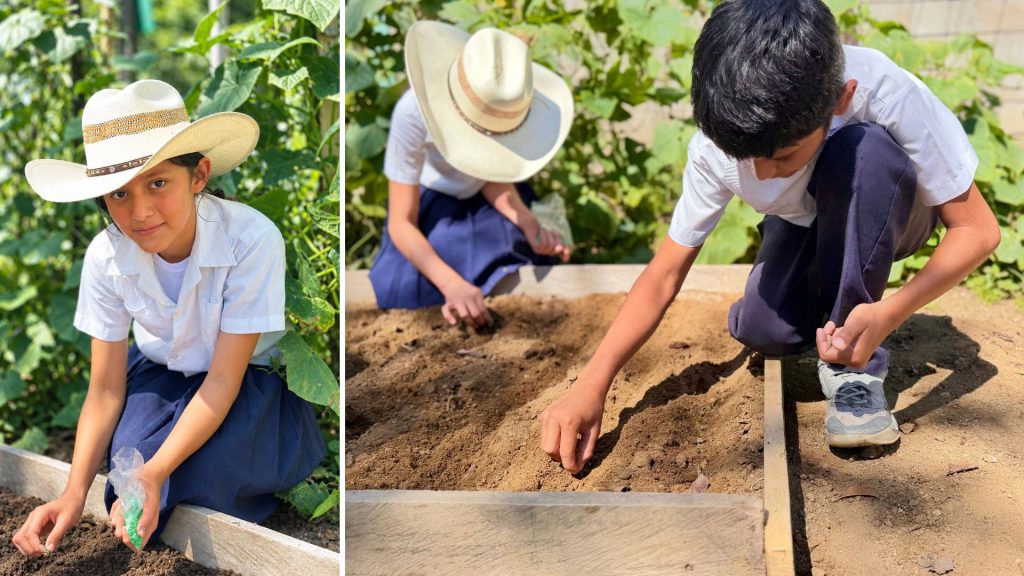
We visited a school where students learn to work in the garden that provides the food and vitamins they need. We met a women’s group where every participant rotates through each role, from president to secretary, so everyone learns how to lead and serve. COCEPRADIL provides seeds and training, and the women learn what they can grow and sell. Each week they put money into a shared savings fund, and members can take out loans from it, which they pay back monthly with interest. Some women bring in money from selling lemons, plantains, or eggs. Before this group, many of the women had never had any savings. Now they have resources when a dry season comes.
The women talked about how, before the group, they only thought about what they needed that day. By putting in a little each week together, they now have a way to plan for what’s ahead. The group is intergenerational, too. When we visited María’s home, the women told us three girls were also members, but they were at school that day. Those girls are learning to plan for the future while they’re young.
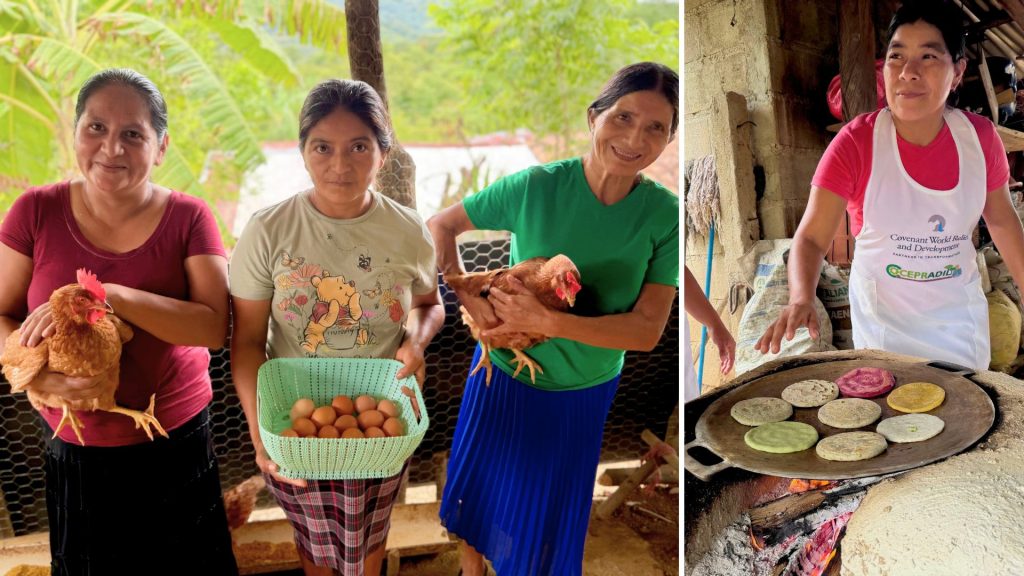
You can see small steps adding up across all of COCEPRADIL’s work. Young people learn agriculture, and that grows into businesses: baked goods, then chickens, then larger farming. Even the children’s ministry mixes gospel lessons with an introduction to agriculture. None of it is fast, but it builds and even sustains over time.
Paul Swanson, manager of operations for CWRD, had a full-circle moment on this trip. Three years ago, he sat in on one village’s committee meeting as they decided whether to take on a water project. This time he saw that same village with water.
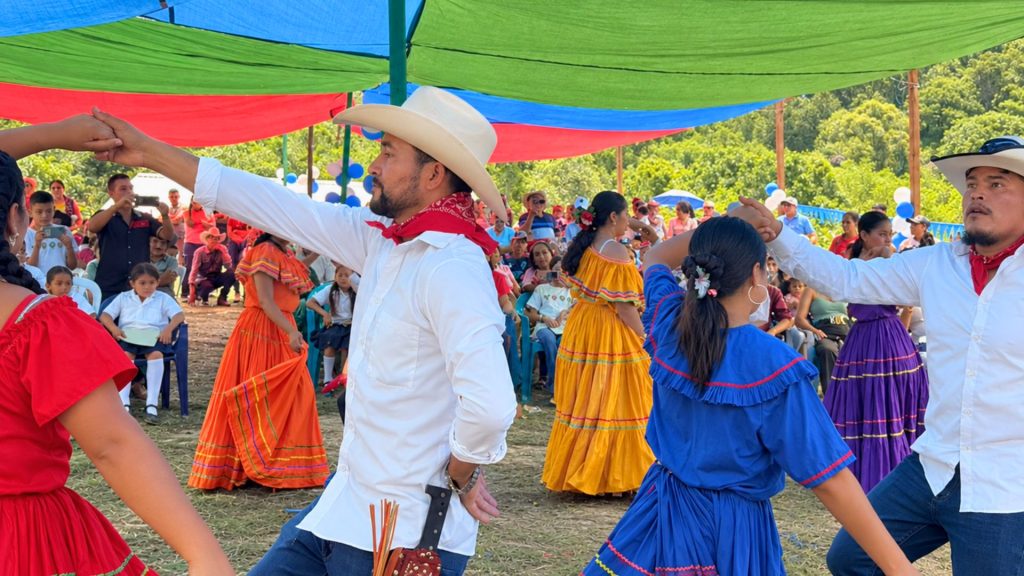
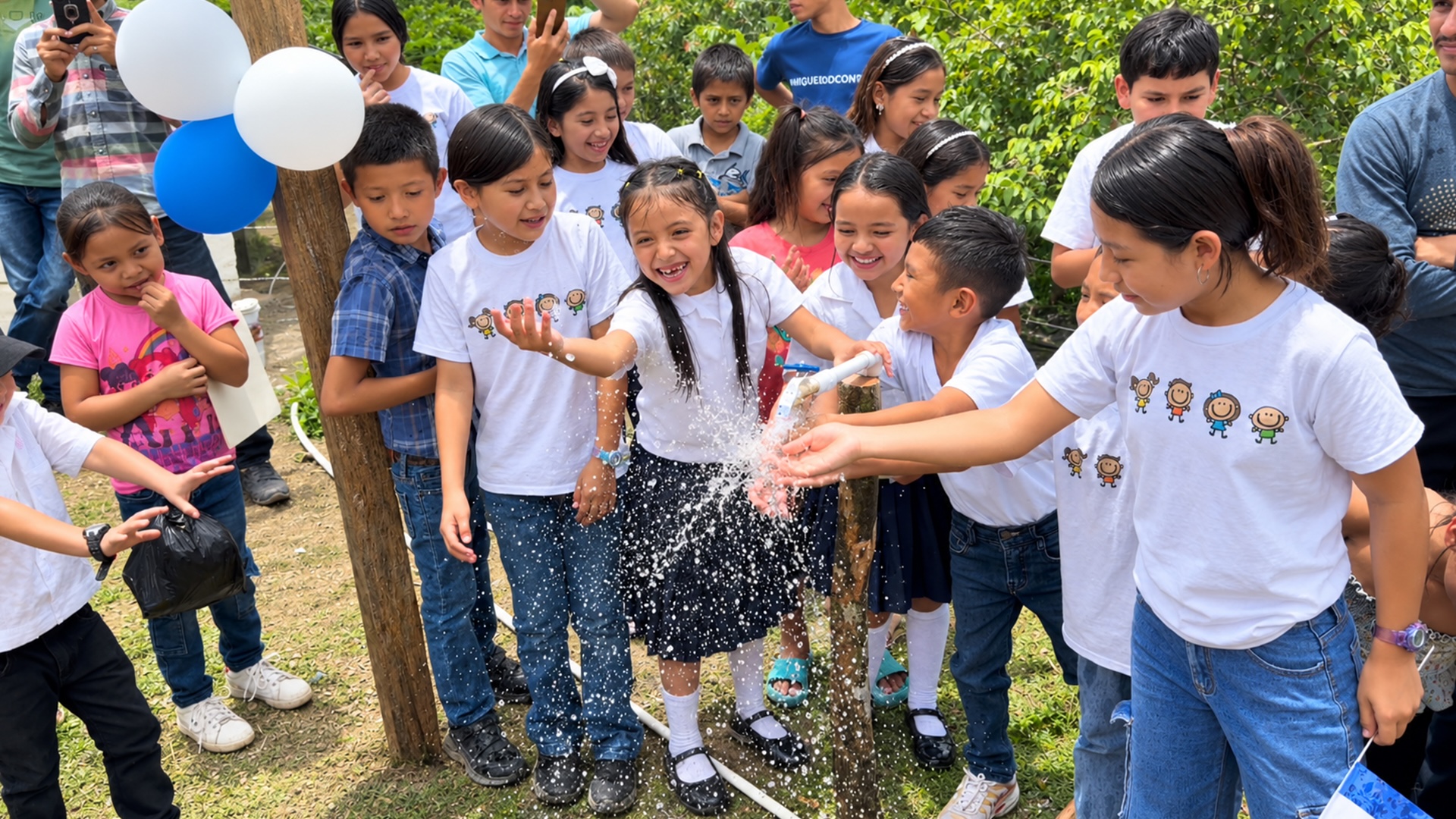
On one of our last days, we attended the inauguration of running water in Santa Cruz de Tomalá. CWRD’s share of that project was generously provided by one Covenanter. The night before, we watched a video of that woman sharing how she and her husband had been farmers. When he died, she sold their farm and moved into a smaller home. After praying about what to do with the money, she gave part of it to bring water to this village. I was deeply moved by this picture of one farming family giving to another.
Nils began the week with a line from Shane Claiborne, that God is the God of enough. God made enough for everyone, and part of how God’s abundance reaches everyone is through people like that Covenant woman, and like the families in these villages, sharing what they have.
Through the eleven years I’ve been working at Covenant Offices, I have learned from Serve Globally and CWRD about mission “from everywhere to everywhere.” None of us is a savior or hero who comes from one part of the world to help people who have less than us. Rather, we are all family. At a time when so many people feel alone, the gospel invites us to enter one another’s lives.
Most of us know what it feels like to be part of something bigger than ourselves, like singing in a choir or bringing meals to a family at church after a new baby arrives. You’re one small part of something that is so very good. In 1 John, we read that no one has ever seen God, but when we love one another, God lives in us. People can bring us so much pain and confusion, yet we also find love and life through each other.
That’s what I felt in Honduras. The men who dug trenches by hand and the Covenanter who gave what she and her husband had built were part of the same work. They were helping to make sure there’s enough for everyone, which is God’s work.
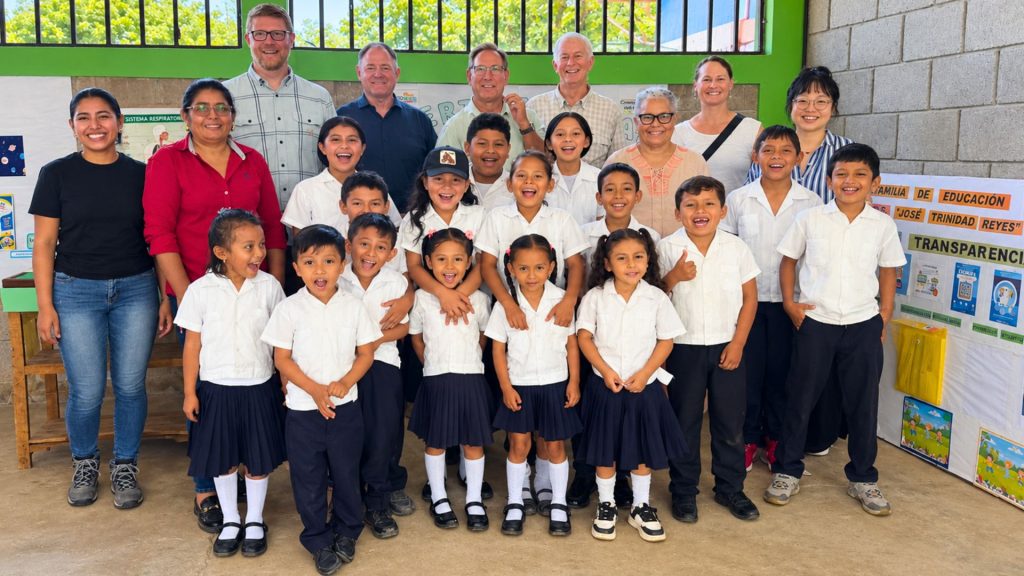
So for churches in the U.S., supporting work like CWRD’s is about more than giving what we can. We get to be part of what God is already doing. We get to know these communities, hear from them, and learn what life is like outside our own routines. When we connect with God’s family in other places, we get to know God a little better too.
I went to Honduras wondering what I would have to say. The reminder to “go and see” helped me understand that I didn’t need to bring the answer with me. I needed to look at what God’s family there already had, and listen to them.