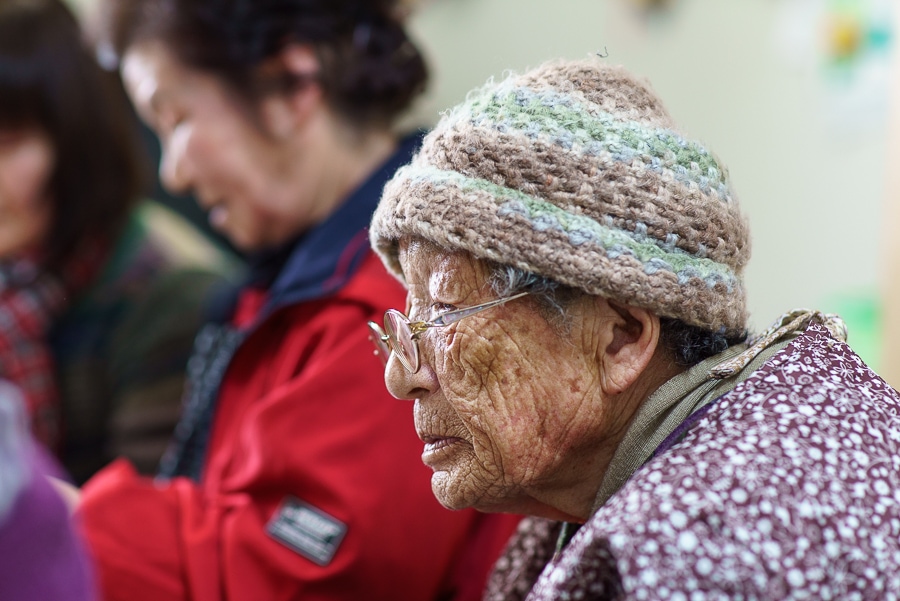
ODAWARA, JAPAN (June 7, 2017) – Six years after an earthquake and resulting tsunami devastated much of this country, thousands of people still are without homes, and the Japan Covenant Church is one of the few Christian organizations still ministering in areas set aside for temporary housing, said Yoshinobu Katsumata, the denomination’s president.
The 9.1 magnitude earthquake that struck on March 11, 2011, was the fourth largest in recorded history, but it was the resulting tsunami that wiped out hundreds of miles of coastline, destroyed or damaged one million buildings, and accounted for 95 percent of the death toll.
Damage to the Fukushima Daiichi nuclear plant caused a radiation link, which became the most significant nuclear incident since Chernobyl in 1986. People still are not allowed within roughly 18 miles of the nuclear reactor, Katsumata said.
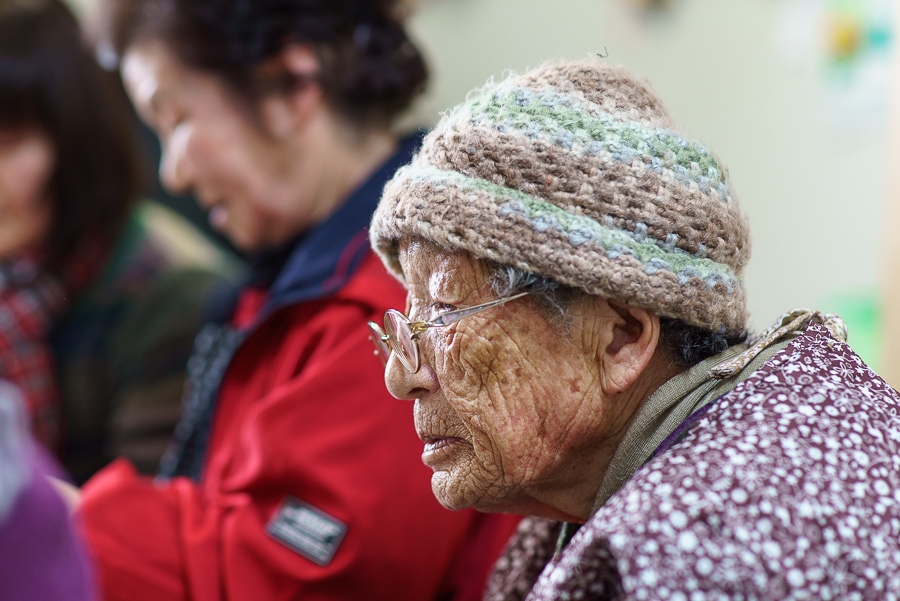
Since then, other earthquakes have drawn attention away from the 2011 event. “In general, across Japan, a sense of crisis has pretty much faded away, but up and down the coast, there are still people living in temporary housing,” Katsumata said. “People commit suicide because of despair.”
But even as the rest of the country has moved on to other concerns, the Japan Covenant Church continues to minister among those communities.
“Volunteers just go into temporary housing units and call on people,
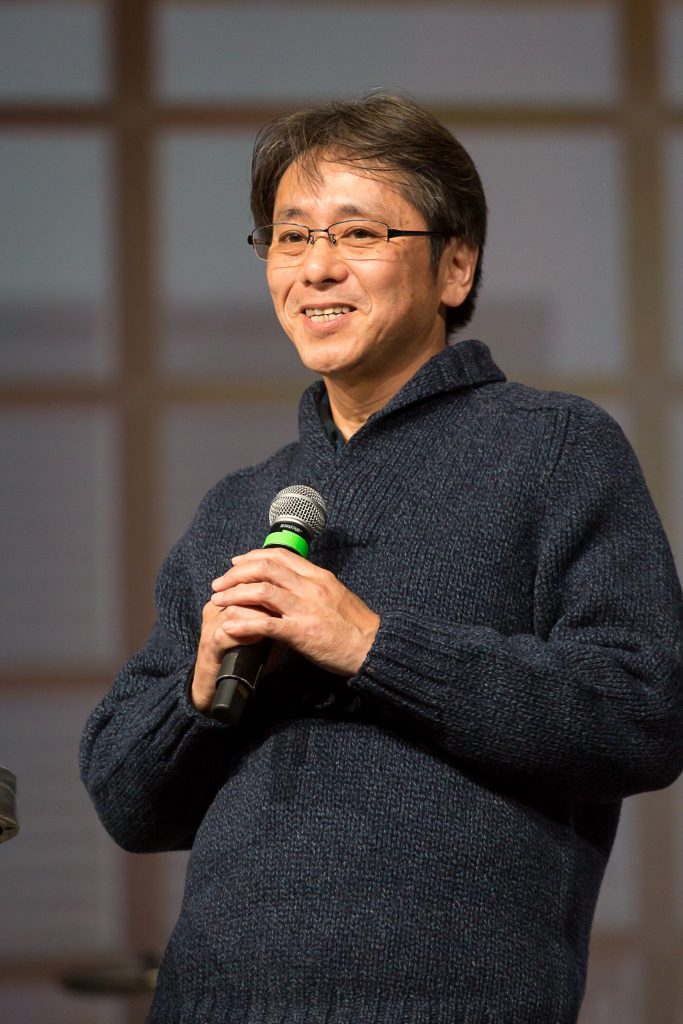
listen to their stories, and plan events,” Katsumata said. “A lot of times, these temporary housing unit areas have a central building where you can have a coffee or cookie party. Those give people a chance to have fun.”
Katsumata continued, “The people up there in that area, especially those that are still in the temporary housing, know it is the churches who have kept coming when others may have faded away, so when volunteers come, they just assume they’re Christians.”
In the years since the disaster, the denomination also has developed a deeper sense of call to sacrifice for ministry to others. “In the past, it’s been mostly true that Japanese people take care of themselves and their families and don’t think about making any kind of sacrifice to help someone they’ve never met, even if they’re fellow Japanese,” Katsumata said.
But Covenanters’ awareness of the deeper call first started to develop in 1995, when the Great Hanshin earthquake (also known as the Kobe earthquake) shook the country and killed 6,400 people, Katsumata said. “You can sort of see that as the beginning of the volunteer movement of trying to come in and meet needs in times of disaster. And through the experience in the northeast area in 2011, that volunteer movement has picked up quite a lot. Churches are more aware that they can go and help.”