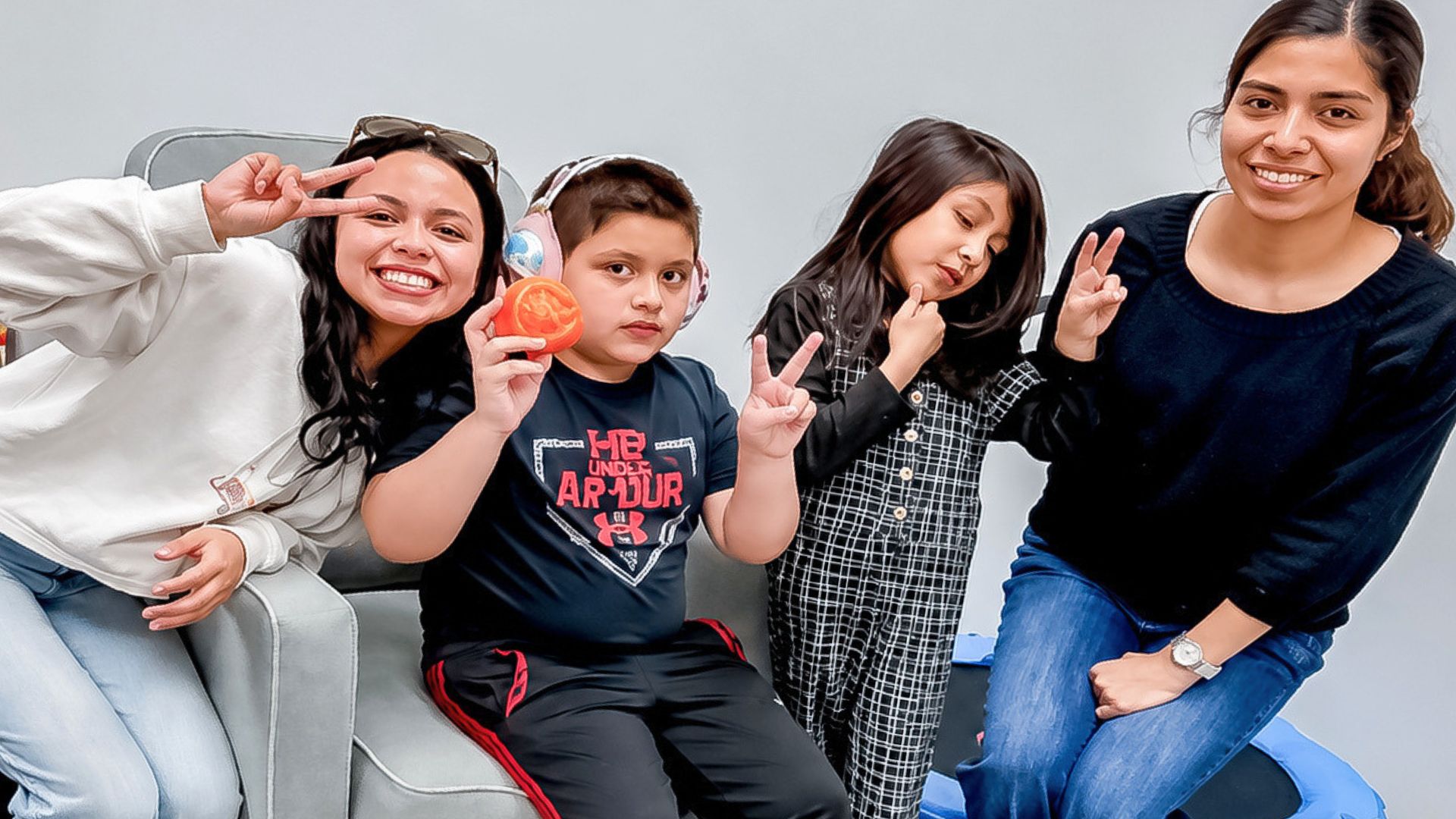
Rev. Javier Barron was feeling sick, and a boy at church asked if he could pray for him.
The request caught Barron, who serves as lead pastor of Iglesia Renacer, a Covenant congregation in Algonquin, Illinois, off guard. He was used to people asking him to pray for them—not the other way around. Barron told him, “If you believe God is going to heal, then go ahead.” The boy, who is part of the church’s special-needs ministry, laid his hands on his pastor and prayed.
“I was so surprised,” Barron said. Many of the kids don’t like being touched. This boy reached for him anyway.
Barron has been serving Iglesia Renacer, now in its third Chicago-area location, since 2003. He hadn’t planned on it. When he was serving as a worship leader, a missionary told him to stop being so attached to his guitar. She said the Lord had told her he was going to be a pastor. Seven years later, he was.
One family’s crisis three years ago has grown into a ministry serving several families with trained volunteers.
It started when a woman who had a son with special needs came to Iglesia Renacer during the pandemic. She had been worn down by her experiences in other churches. “I came from one church, then I go to another church, and everybody just kicked me out,” she shared. She said her eight-year-old son “screams a lot, doesn’t stay quiet, and I don’t know what to do. I came here because I need help.”
Barron wasn’t sure what to do either, so he spoke to his wife, Rosa, and some of the teachers and leaders in the church. They began taking the boy out of the group when he became overwhelmed, letting him settle in a small room, then bringing him back to sit with his mom. Over time he got used to the rhythm.
After that, the church’s Sunday school superintendent began researching how to work with children with special needs, and two volunteers signed up and were trained. Then a second family arrived sharing the same thing: they had been to other churches, and none of them knew how to include their child. Barron told them the program was new and the church was still learning, but they were welcome to try. Word spread from there.
Latino families often feel stigmatized by their child’s diagnosis, Barron says. They may seek to explain it away out of fear or shame. He learned that a family’s hardest questions are around why God allowed this to happen to them. “I try to talk to them, pray for them,” he said. “I sometimes say, ‘Why not you? Maybe you are a special family for this child.’ I try to be there for them.”
Angelica Jaramillo’s daughter was four and a half when Jaramillo finally admitted that her speech delays were probably not due to her growing up in bilingual environments.
“I was in denial,” she said. “I didn’t want to accept it.” Her daughter was diagnosed with ADHD and autism about three and a half years ago.
At church Jaramillo and her husband traded off sitting in the back with their daughter. Sometimes she walked in circles to calm herself down. The church had willing volunteers, but no real system, so some Sundays someone showed up to help, some Sundays no one did. “If a volunteer didn’t show up, then you were pretty much on your own,” Jaramillo said. Some weeks, staying home just felt easier.
But three months after the diagnosis, Jaramillo decided she couldn’t keep hiding at home. She asked the children’s director why they didn’t have a program for special needs kids. The answer: they had the resources but didn’t have anyone to lead it.
Jaramillo said she talked with her husband and prayed about it. “I think there’s a reason we are going through all this,” she said. “We know what other families are going through, so maybe we can help, not just our daughter but others too.” So she started working as a teacher in her daughter’s early-childhood classroom. A year later she became the leader of the fledgling ministry for special needs. They called it Rinconcito de Paz, or “Little Corner of Peace.”
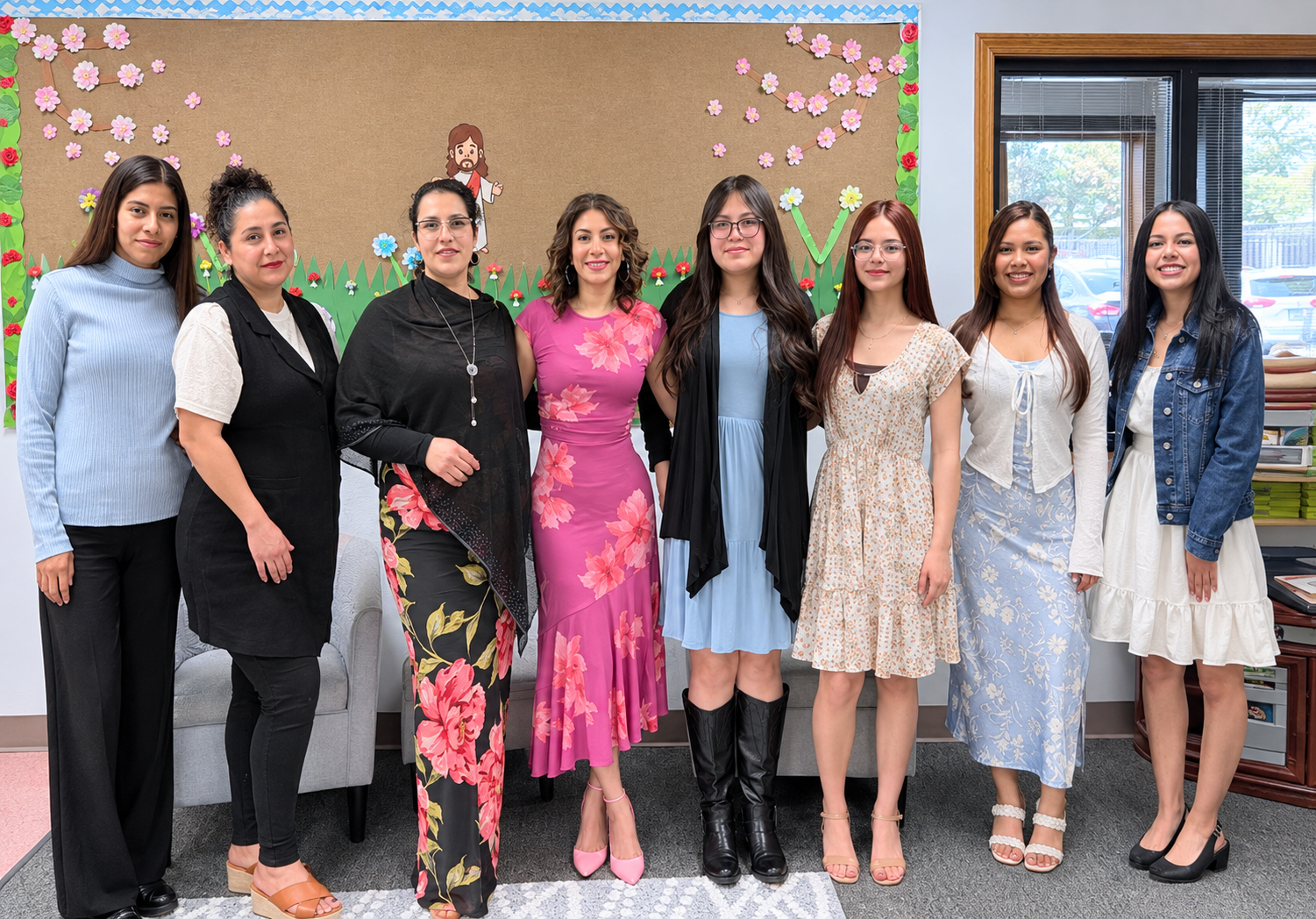 More families with special needs started coming, including one that drives forty-five minutes from another suburb with their son, who was fifteen when they started coming. For the first hour of the two-hour service, the kids have breakfast together and work through picture-based lessons paced to how they learn with a quiet room available if a child needs to reset. They join their peer group for the second hour, with a teacher who is on call.
The church also hosts dinners for the parents, with volunteers watching the children so they can have some time together. Barron says the marriages experience a particular strain, because those hours of respite are hard to come by.
Kids who once couldn’t sit through a service now participate, singing, dancing, and following along with the rest of the congregation. Each year the church devotes a month to teaching the whole congregation about the ministry, bringing in specialists to train volunteers. The children have picked it up too, learning to better understand and welcome their peers’ differences.
Some in the congregation worried that sending children to a separate room would cause them to feel excluded rather than accommodated. “We’re not separating them,” Jaramillo said. “It’s just so they can receive help that’s more customized one-on-one, instead of having to worry about other people looking at them or having so much noise.” The room is a place to reset, not a place to stay.
Jaramillo credits Barron’s support for getting the ministry off the ground at all: “Every idea I brought, he supported me a hundred percent.” Her advice to any church starting a similar ministry is to be patient, be willing to get it wrong, and stay flexible while it all takes shape.
Jaramillo now works with special-needs students at a public high school, a career path that started in her church’s back rooms. “I got the experience I needed for my job at my church,” she said.
Rinconcito de Paz is now outgrowing its space. Jaramillo says they’re working on finding a larger room and a larger playground that can accommodate the children as they grow older. “We are praying for the resources we need to be able to care for them well.”
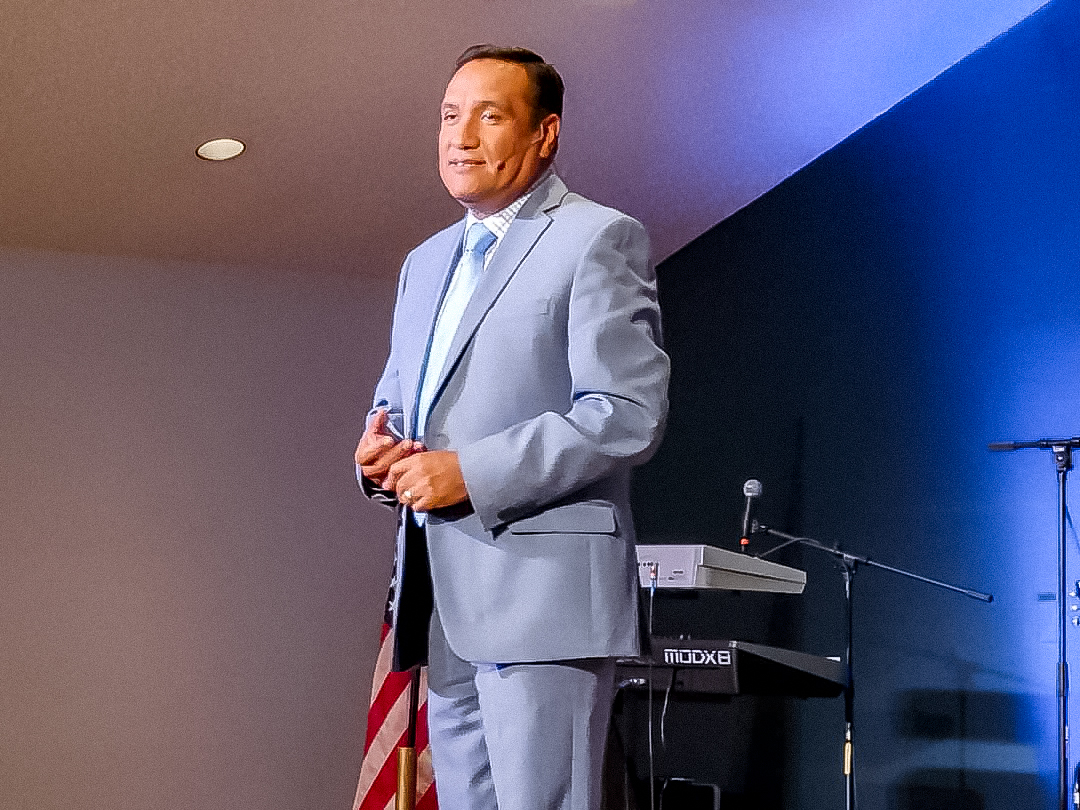
Barron says pastors in the area ask him about the ministry. Most tell him they don’t have families with special needs in their churches yet, and they wouldn’t know what to do if one showed up. He tells them what he wishes someone had told him: try to be ready. “They showed up at my door and I didn’t know what to do.”
Barron keeps returning to that boy’s prayer. When the kids come to Rinconcito de Paz, he says, he sees God’s leading. “Those kids love Christ, and their faith is very strong. I don’t always have a lot of faith, but I believe because those kids look like Christ.