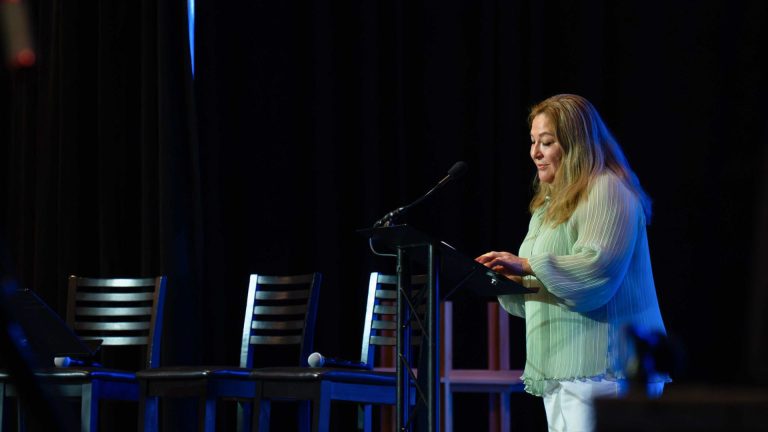
LITTLETON, CO (May 31, 2018) – It was the evening of February 23, 2010, and English teacher Sandra Widstrom, along with other faculty and staff from Deer Creek Middle School, was at the local library discussing the shooting that had wounded two students hours earlier.
“One of the kids asked me, ‘What if this happens again?’ I told her, ‘I can’t promise it won’t, but I can tell you you’re safe right now. I thought, ‘How terrible is that?’ I can’t even tell her it won’t happen again.”
Most recently, it happened again at Santa Fe High School in Texas when a teenage gunman killed 10 fellow students and engaged in a 25-minute gun battle with police before being captured. On Valentine’s Day, a gunman murdered 17 students and teachers in Parkland, Florida.
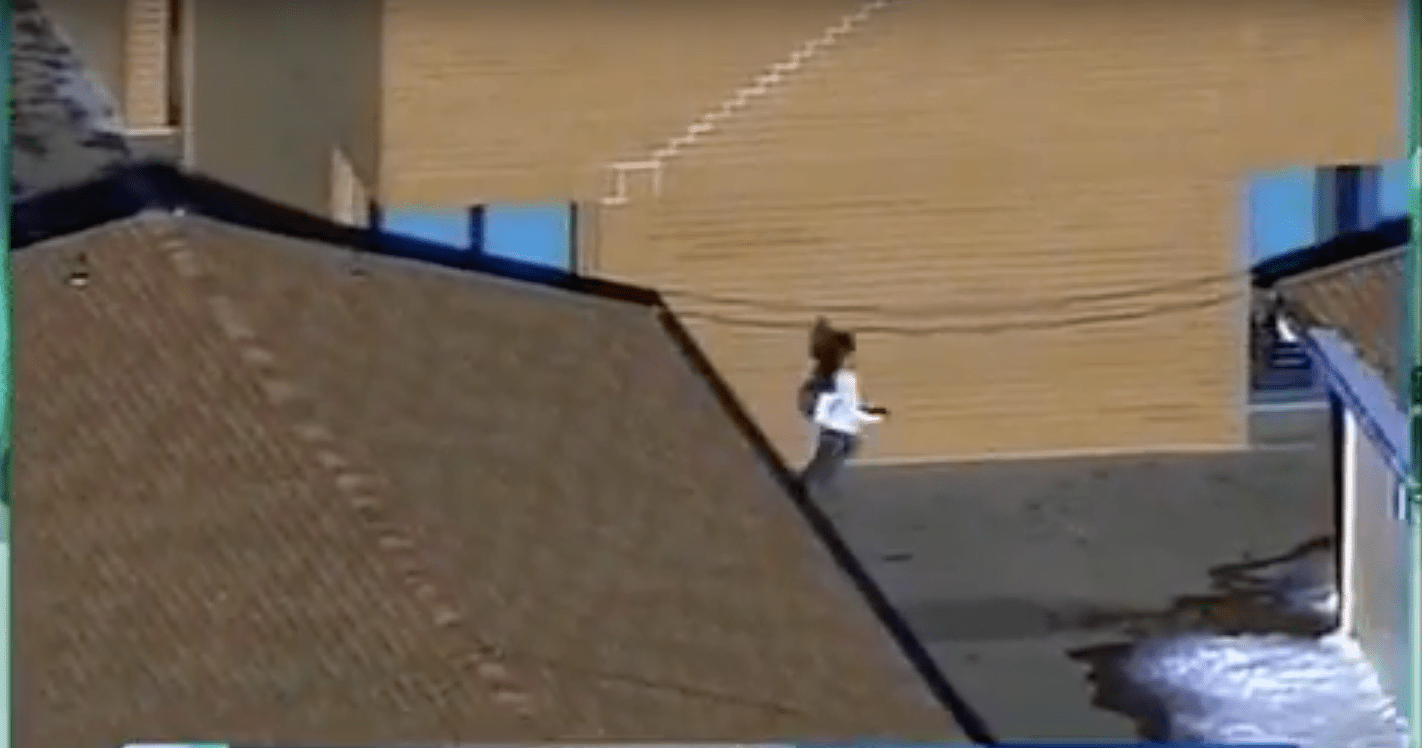
The Deer Creek shooting happened shortly after 3 p.m. that day in 2010 when a 32-year-old man carrying a high-powered rifle walked onto the school grounds, just three miles from the Columbine shooting. Students were headed out to buses at the end of the schoolday. Widstrom had been outside and had just gone back into the building when the shots were fired.
She didn’t immediately recognize what was happening but then saw students frozen and another teacher crouched down shouting, “Shooter!”
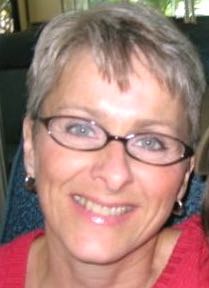
Widstrom ran upstairs to the hallway where her classroom was located. “I kept screaming at the top of my lungs, “Shooter! Shooter! Lock it down! I kept thinking, ‘I’m not loud enough,’” she says.
But she heard doors closing and being locked as she ran. Teachers who still had students in their classrooms for after-school tutoring barricaded them behind desks.
Widstrom made it to her classroom and locked the door. There, she thought about the teacher in the next classroom, who was pregnant and had taught at Columbine when two students massacred twelve students and a teacher in 1999.
No one left their rooms until police entered and identified themselves. “We had trained for lockdown,” Widstrom says. The school’s vice principal had worked at Platte Canyon High School in Bailey, Colorado, where a 53-year-old gunman had taken six female students hostage and sexually assaulted them before killing one and then himself.
“(The vice principal) had done everything he could to train us in what to do if there was a shooting. That was huge.”
There were no more shots that day. A math teacher who was outside realized that the shooter would have to reload his .30-06 after the second shot and tackled the gunman while others helped subdue him.
One of the students suffered only minor injuries, but another, who was one of Widstrom’s students, required surgery. “We were all just hoping and praying,” she recalls. He eventually recovered from his physical wounds, but his mother said just last year that he still suffers from PTSD.
The shooter was found innocent by reason of insanity. He remains hospitalized.
Widstrom says she never really experienced or understood trauma until that day. The following week she was in class for her doctoral program. “My colleagues were bringing me plants and offering me encouraging words, but I couldn’t tell you what went on in class that day. When I went back to that class the next week and turned in the assignment, I had done it completely wrong.”
She says, “I was in such a heightened state of trauma that I couldn’t process. It was like I had read the directions in Japanese. It was so far off the mark. I started to cry. I told the professor I didn’t know why I had done it so wrong, but he told me not to worry about it. He understood.”
She later took a job at another school, but February 23, 2010, continues to influence her. “I have my class set up in a specific way so I can hide my kids behind a bookshelf barrier so they can’t be seen from the hallway,” she said. “I’m always, always no-nonsense when we drill. When we go outside during a fire drill, I make my kids line up in alphabetical order when we get to appointed safe zone. That way I can go down my list and tell immediately if anyone is missing.”
She adds, “I want to know where my kids are. I always tell them, ‘I will never leave you.’”
Widstrom responds with frustration to empty offers of support in the wake of tragedies. “We don’t need any more, ‘Our thoughts and prayers are with you,’” she states. “I just don’t think Jesus would be sitting around saying, ‘I’m sending you my thoughts and prayers.’”
Widstrom’s doctoral thesis focused on how faith communities can come alongside public schools. “Church communities have to work upstream and deal with issues such as mental health and helping parents advocate for their children,” she says. “We have to ask ourselves what can we do to help communities that have experienced trauma? We have to be ready for that. We have to push for more guards at schools.”
Widstrom, whose husband has owned guns and is a hunter, is adamant that Christians must press for “common-sense gun control. We need to vote against people who take money from the NRA and for people who are going to move us down the road on this. It’s not just about guns. There are many spokes, but guns are always at the hub.”
She knows many people will disagree with her on the topic, but she says difficult conversations on ending violence and dealing with its root causes need to happen in churches.
“We need to be raw about it,” she says. “We need to be able to say the wrong thing, because sometimes you have to get through the wrong thing to get to the right thing. Whether it’s going to be just raw emotion and anger, I think we need to validate that. And hope it gets us moving in the right direction.”
For related story, see Friends of Deceased Reflect on Columbine