Mitakuyapi (My Relatives), What Is Your Worldview?

In honor of Indigenous Heritage Month, Lenore Three Stars shares a deeper understanding of how faith connects us to each other.

Worldviews are important—we all have worldviews. We all come from somewhere that shapes our worldview and forms the lens through which we see and experience life. What shapes the way you see and experience the world around you? We all have beliefs that we assume to be true, which affect how we live. Still, we’re all on spiritual journeys and worldviews can shift.

When I call you mitakuyapi, “my relatives,” I am representing a Lakota worldview of kinship. Everything in creation is connected. 

[Euro-]Western Christianity has a history of imposing a euro-cultural template for civilizing and Christianizing Indigenous peoples. I trusted that Jesus is Creator, Son, and Healer, but I was not an authentic fit in white church culture. I prayed for a way to follow Jesus from a faith of wholeness, rather than one of assimilation. The door opened for me to attend a seminary that included theology from an Indigenous perspective, taught by Indigenous instructors. It was liberating for me to understand that I was not having a faith crisis—I was experiencing a clash of worldviews.

I found differences between an Indigenous worldview and a euro-western culture worldview. For instance, western Christianity is shaped by a western European worldview with Hellenistic influences. One’s mind and beliefs became more important than physical experience or what one does. It confirmed my experience that theology is generally what you think or believe, not necessarily how you live every day. 

A western worldview conflicts with an Indigenous worldview, which is integrated and holistic, without the gnostic dualism that separates spiritual and material realities. Indigenous stories and teachings are moral, involving our spirit, mind, and body, to show us how to live a balanced life for the good of all the relatives in creation.

As I continue to grow, my personal theological bright line is, “Does this help me be a good relative?” If it’s good for me, it should also be good for my family and my community. If my theology doesn’t help me be a better relative, then I need a better theology.

Jesus tells us, “‘Love the Lord your God with all your heart and with all your soul and with all your strength and with all your mind’ and, ‘Love your neighbor as yourself.” (Luke 10:27).

Prayer practice: Take time to observe your self-awareness of how you interpret what happens throughout the day through a worldview of kinship. What did you observe and give the Creator thanks (e.g., tending to a garden or planting a tree)? What brings you sorrow as you seek the good of all creation (e.g., seeing dead marine life wash up or a tree chopped down)?
For more reflections from Lenore Three Stars throughout November, sign up for Love Mercy Do Justice’s “Freedom Friday” email.

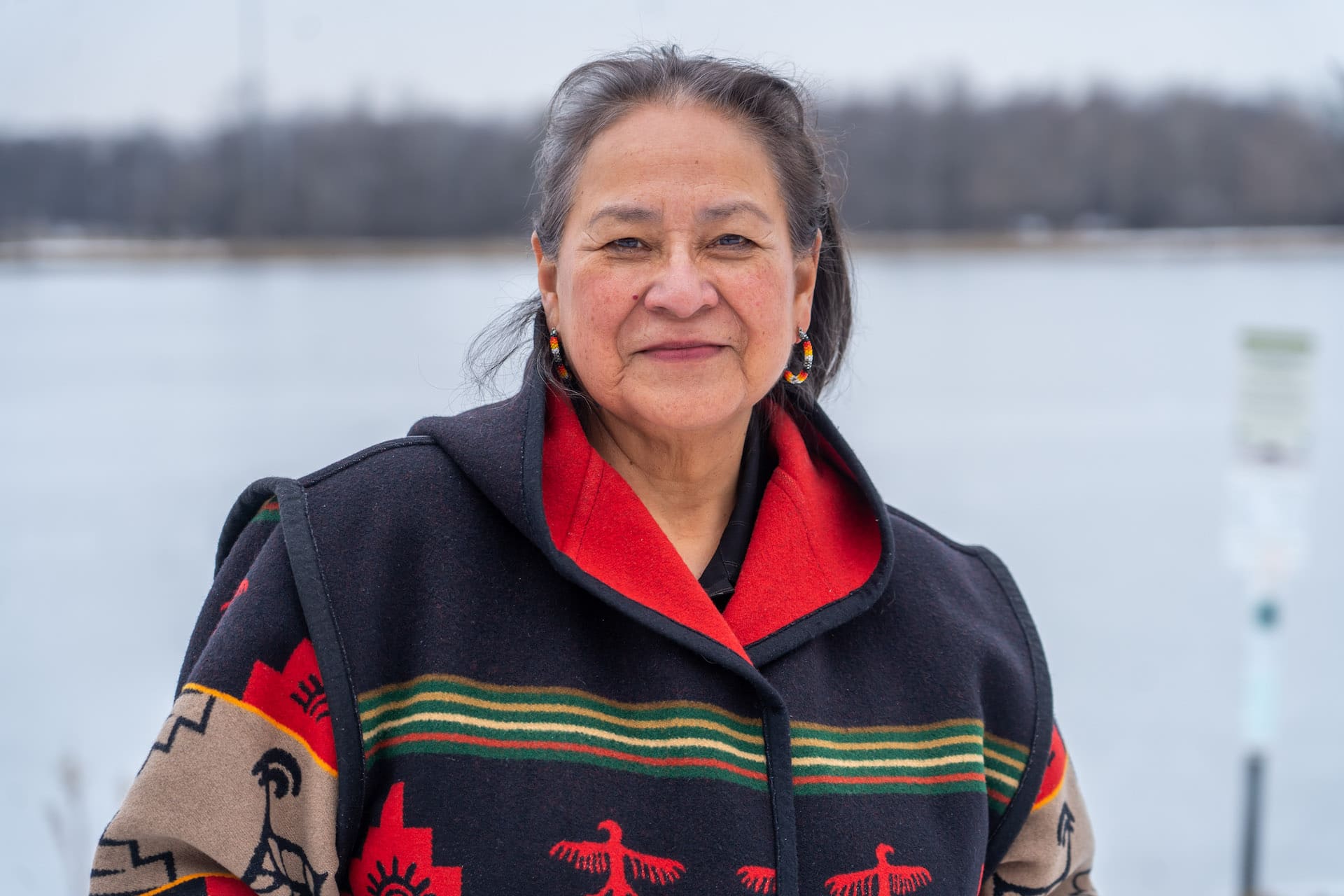
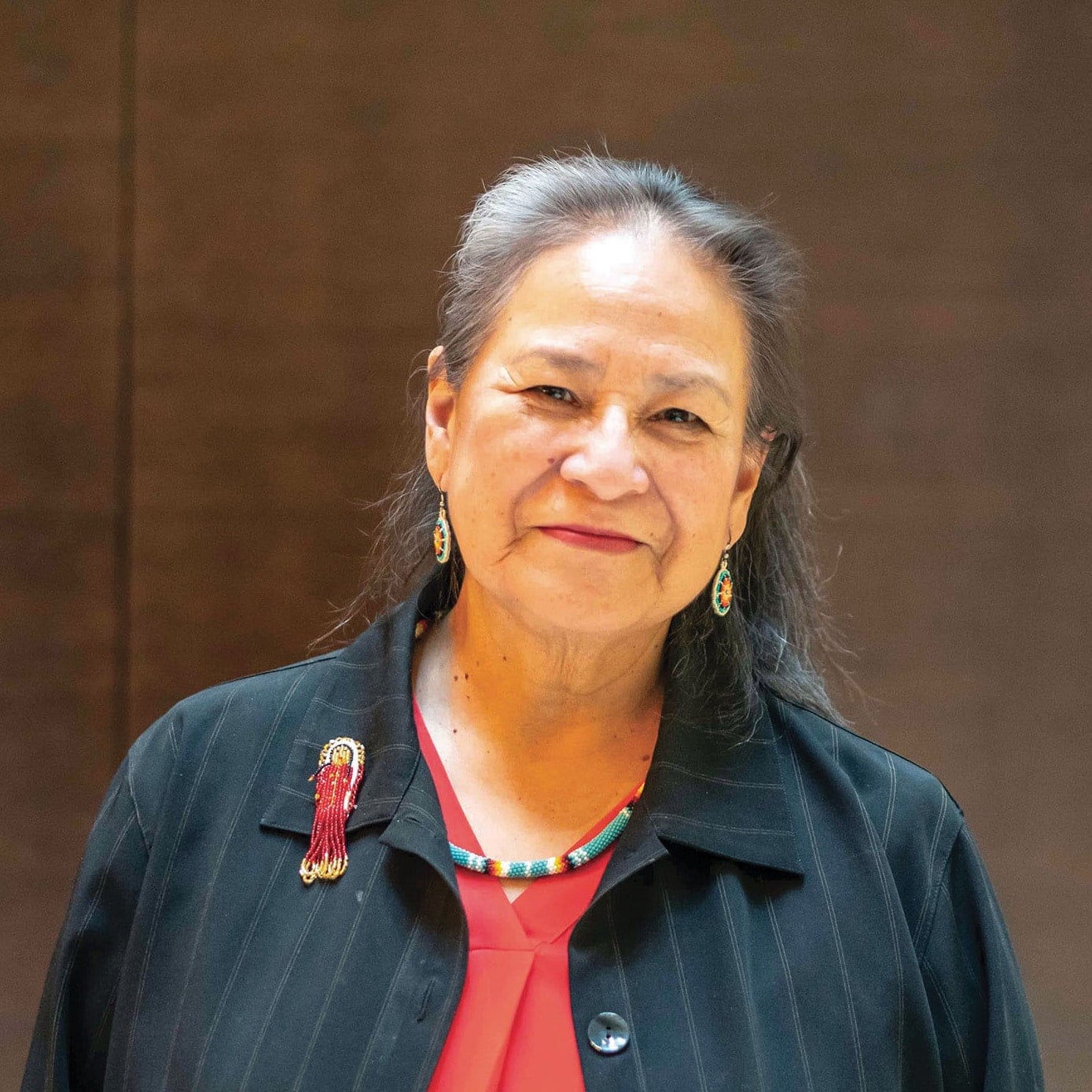
Picture of Lenore Three Stars

Lenore Three Stars

Lenore Three Stars (Oglala Lakota) retired from a federal civil rights career in Seattle, moved across Washington state to be Unci (grandmother) to her (takojas) grandchildren, and began a journey to decolonize her theology. She earned an MA from Portland Seminary in Oregon in conjunction with the North American Institute of Indigenous Theological Studies. She facilitated many Journey to Mosaic trips with the Pacific Northwest Conference, served as a commissioner for the Washington State Human Rights Commission, and sits on boards related to her interests in Indigenous issues, justice, and creation care. She speaks, writes, and teaches from a Native perspective on decolonizing theology and racial justice. One of her favorite roles is cohort leader for “Decolonize with Badass Indigenous Grandmas” (liberatedtogether.com/cohort).
CONTINUE READING

Explore More Stories & News

Features

A Story of God’s Pursuing Love: Nicki’s Journey at Rock Harbor

After a devastating job loss, Nicki Andersen made God a promise: she’d read the Bible from cover to cover. What followed was a conversion, a baptism, and a community at Rock Harbor Church that would expand to embrace her granddaughter too, in the midst of her most difficult moments.

Features

The Joy of Choosing Broccoli

Intellectual agreement isn’t the same as living it out. Through honest stories of allyship and real advocacy in ministry, Jessica explores what women and men must do to build teams where everyone truly flourishes and grows stronger together.

Features

Jochebed: Lessons My Mother Taught Me

Julie Bromley traces a line from Moses’s mother, Jochebed, whose very name carried the glory of God, to her own mother, a Sunday school teacher and lifelong Bible student who taught her to ask hard questions and know who she belongs to.

Features

The Kitchen Where Work Is Prayer

How Covenant pastor and church planter Alex Song went from addiction and a Korean monastery to opening a community kitchen in Windsor, Ontario, where they feed neighbors, train teenagers, and create spaces of belonging.

Arts & Culture

Life or Death Circumstances

Adapting content from his new book, Don’t Despise Our Youth, Covenant pastor David A. Washington makes the case that the youth crisis gripping urban America is, at its core, a church problem. He proposes that we stop ministering to young people and start raising them up to minister to each

Features

Two Camps, One Centennial

Mission Springs and Covenant Point celebrate their 100th birthdays this year. From scrappy, faith-fueled beginnings, both ministries have become enduring places where generations of Covenant kids encounter God in creation, community, and a kind of holy foolishness.

CovChurch Now is a weekly email to share news, stories, and resources with the Covenant family.