
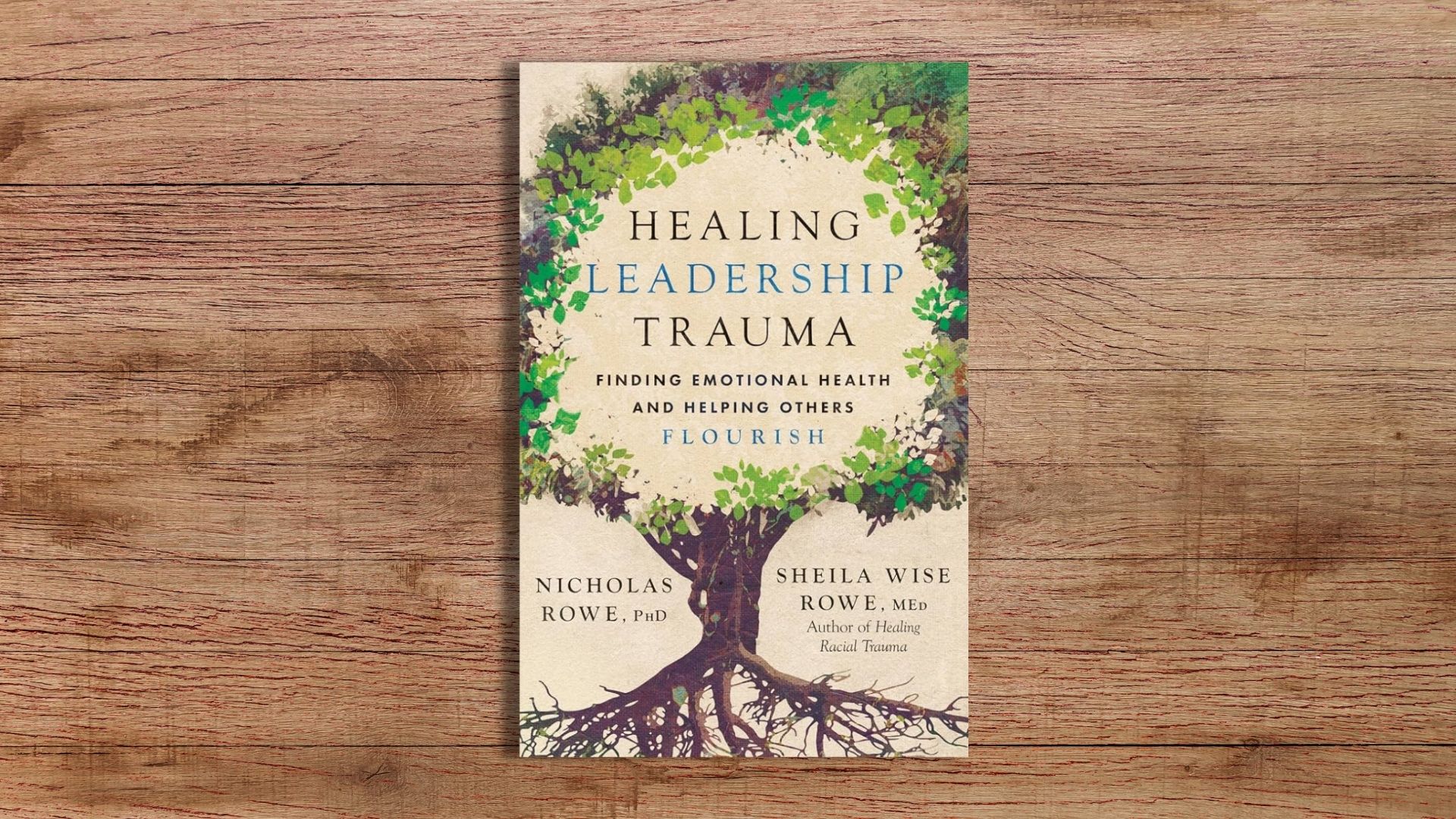
Healing Leadership Trauma: Finding Emotional Health and Helping Others Flourish
Nicholas Rowe and Sheila Wise Rowe
InterVarsity Press, 200 pages
Trauma has a unique way of keeping us young. Often, it’s our early life experiences that seem to rock us time and time again. It is astounding how the notion that “time will heal” doesn’t always seem to work. Perhaps life moving forward made us think that some progress was made after we experienced trauma. Perhaps growing older made us feel like we finally grew out of it. Perhaps our fading memories of events made us feel like we forgave.
It is possible, however, that the healing process never began; time passed, and we just had to do the next thing, and then the next thing. Life continued to offer other things for us to worry about, and we got busy with those things. As for the initial wound and the child who felt hurt, abandoned, and misunderstood, he or she may still be waiting to say, “Ouch!”
I must admit, I initially misread this title and thought this book was for people who have been traumatized by poor leadership. I was prepared to read about all the horrible stories and why certain people should not be in leadership roles. I was ready to give my “Amen!” to how bad leadership leads to overwhelming damage of many people. But I am sure the authors would agree that this book was not intended to bash bad leaders.
Healing Leadership Trauma is a resource book for leaders serving in a Christian context who may suffer from emotional or spiritual disturbances due to their work experiences and relationships. It is designed to educate, empathize, and equip leaders to know how to begin dealing with any traumatic experiences they may go through.
This book is intended to help leaders, both seasoned and new, to feel understood and known as human beings, with real stories that have shaped them. Reading the book at times felt like a counseling session—a little bit of psychoeducation, moments of reflection, and some take-home items to practice until next time. It was evident that both Nicholas Rowe and Sheila Wise Rowe are educators and practitioners with pastoral hearts. They teach out of their field experiences and write because they care, which I deeply appreciated.
The authors demonstrated deep knowledge and awareness of the trauma that leaders may experience. Each chapter is structured to give bite-sized lessons, followed by guiding questions for further reflection. Each chapter ends with a prayer that is both a model and blessing to readers. This book is both insightful and experiential.
The book’s strength is evident in its overall structure, which demonstrates a restoration process. The chapters flow from raising one’s awareness (mind), to giving insight to our woundedness (heart), then moving toward practical guidance (action) that promotes healing and restoration. The brevity of each chapter reinforces the appeal of this book as an introduction or “beginner’s guide” to the subject of trauma in leadership. It may inspire readers to seek more content, perhaps more clinical and professional insight, in dealing with the effects of trauma.
Healing Leadership Trauma will be especially helpful for young leaders or those new to a leadership role. It could also be helpful in shaping premarital counseling for recently engaged couples. It won’t protect couples from experiencing challenges and heartaches, of course, but it certainly will help them to panic a little less when those things do come, and to know where to go for help. Furthermore, for those who may not have experience with counseling or are opposed to it, this book may positively reshape assumptions about the importance of “soul-care,” or Christian counseling.
We rarely have the chance for that wounded child to say, “Ouch.” Perhaps healing begins when we can finally allow that child to say whatever he or she never got to say. Give them the platform. Hand them the microphone. Listen to them. Stay quiet. Be still, still enough to hear what the Holy Spirit would whisper to the child.
To us in the present, God’s voice is incredible. What God has to say about our wounds, about our true self, the way God orients what has been disoriented, plus time, in my opinion, can bring healing. We as helpers, pastors, counselors, teachers, and trusted friends can become tangible conduits of God’s healing grace when we can recognize the child in all people instead of being frustrated by their childish behaviors. It’s hard to do, but redeeming, nevertheless. What an important subject for Christian leaders to address.
This article was first published in the Covenant Companion Winter 2025 issue, the official magazine of the Evangelical Covenant Church.