Covenanters in Alaska helped mark the 100th anniversary of the Serum Run of 1925 when a relay race of mushers and sled dogs carried medicine to Nome, Alaska, saving the lives of countless children dying of diphtheria.
That winter, a physician in Nome realized all of the hospital’s diphtheria antitoxin had expired and attempted to order more. But the order did not arrive before winter ice made the port inaccessible, which meant they would have to wait until spring. Within a month, an epidemic was imminent, and the lack of antitoxin was now a public health emergency.
Since no roads led to Nome, dog teams were the only solution. The treacherous trail of nearly seven hundred miles would ordinarily take a single musher nearly a month. But the cooperative effort of relay teams made up of twenty mushers and 150 dogs accomplished the goal in only six days.
A Norwegian musher in Nome by the name of Leonard Seppala is credited as being the hero of the mission. Seppala, who trained both Togo and Balto to be lead dogs, covered more ground than any of the other mushers. When he completed the run, Seppala moved his dog team to Poland Springs, Maine, where he opened a kennel to breed his celebrated canines.
That’s where a local pastor first learned Seppala’s story.
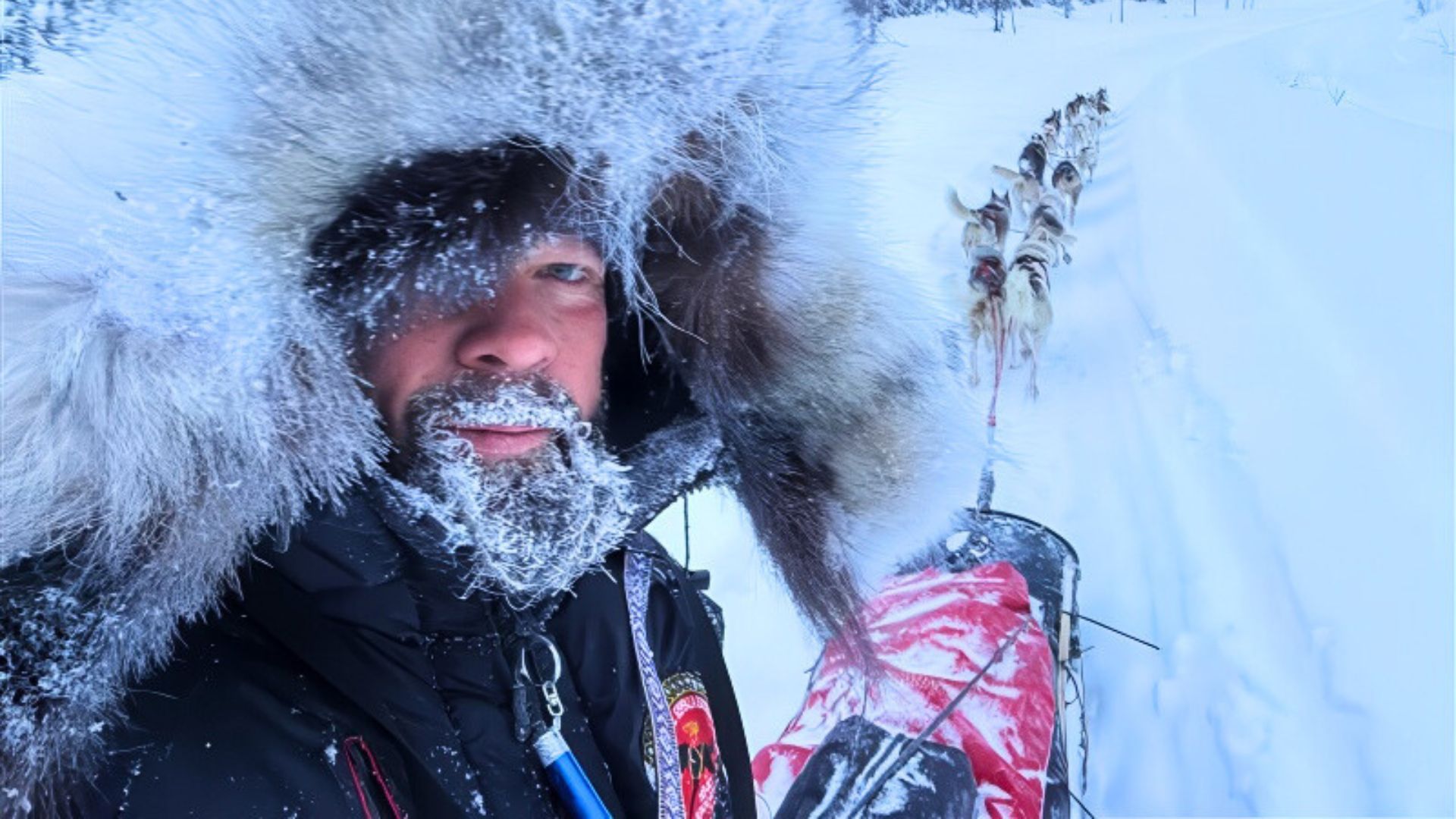
Jonathan Hayes had moved to northern Maine to pastor a small church. To battle the emotional fatigue often associated with the harsh winters there, he decided to take up dog mushing. The dogs he purchased were direct descendants of Seppala’s breed.
In honor of the one-hundred-year anniversary, Hayes made plans to retrace the mushers’ trail. The Centennial Seppala Expedition included himself, his sixteen-dog team, two snowmobilers, and a videographer.
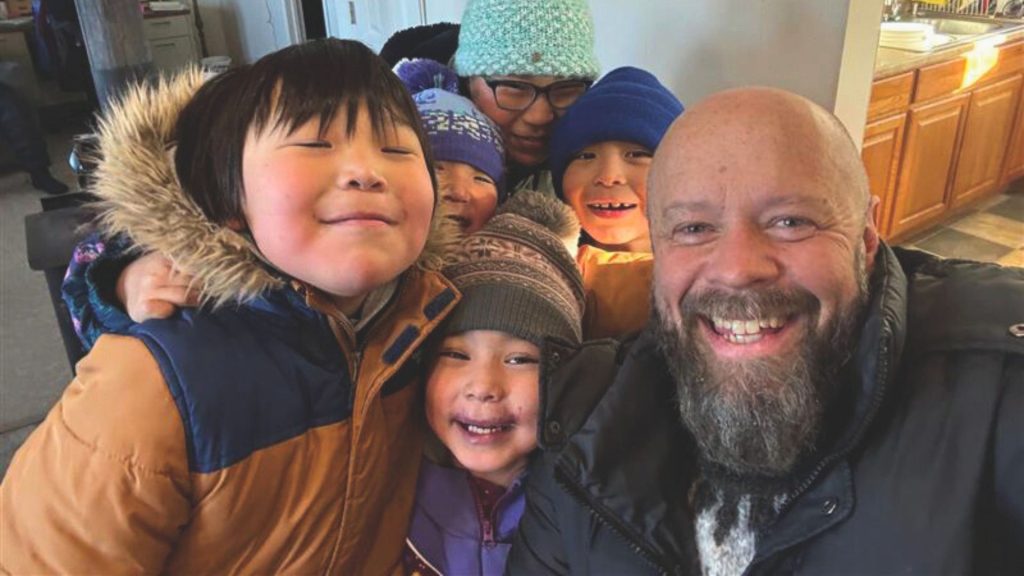
Hayes left Nenana, Alaska, on January 27, one hundred years to the day from when the first dog team left for Nome with the life-saving serum. Along the way, he stopped at villages for rest, warm nourishment, and to speak at schools and churches. Covenant congregations in Shaktoolik, White Mountain, Unalakleet, and Nome provided him with hospitality and supplies. After arriving in Nome on February 18, the Maine pastor praised his new Covenant friends as a Godsend.
“I can honestly say I daydream about one day pastoring a Covenant church in an Alaskan village where I can continue to mush my prized dogs,” Hayes said with a smile.
This article was first published in the Covenant Companion Summer 2025 issue, the official magazine of the Evangelical Covenant Church.