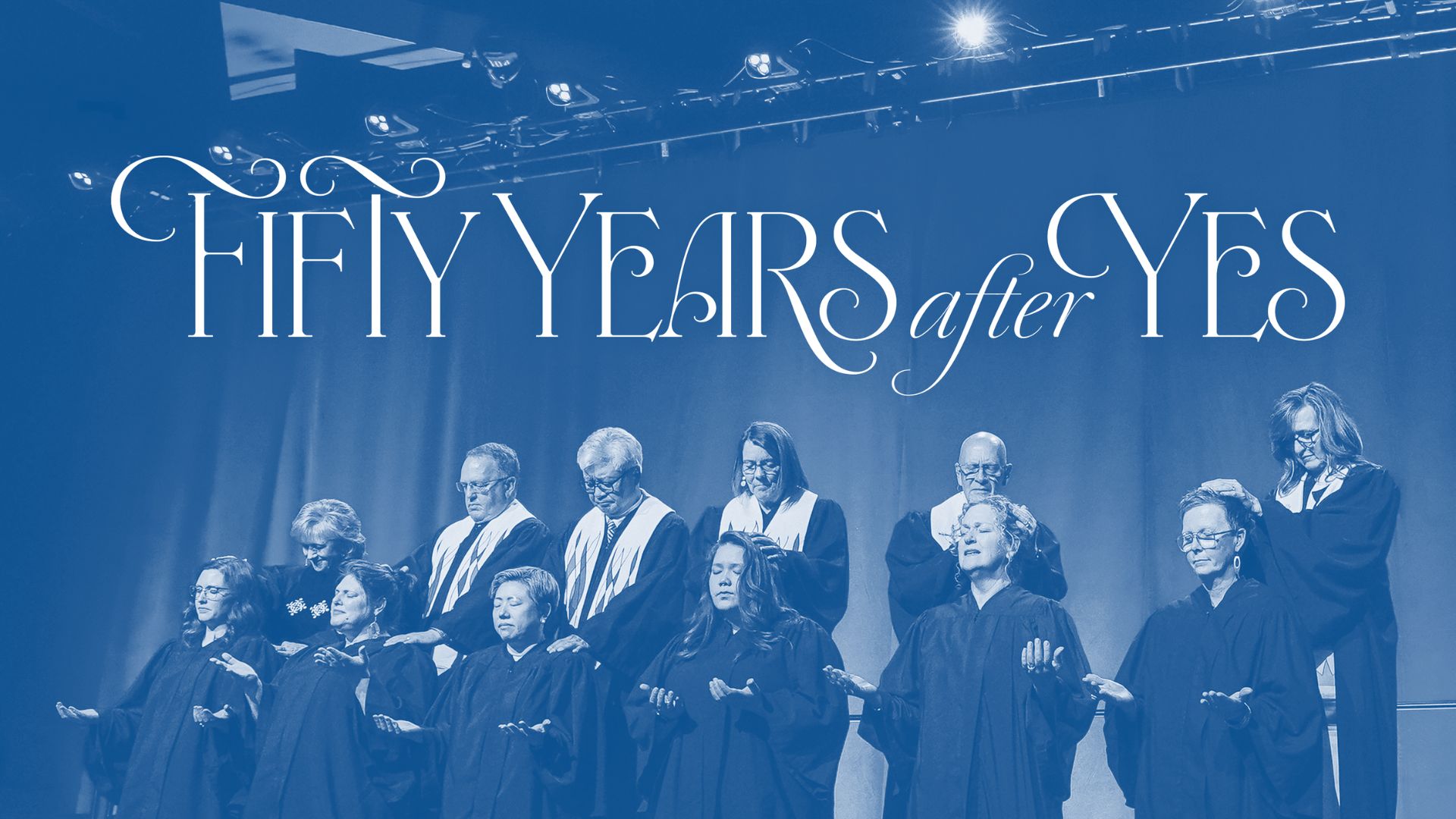
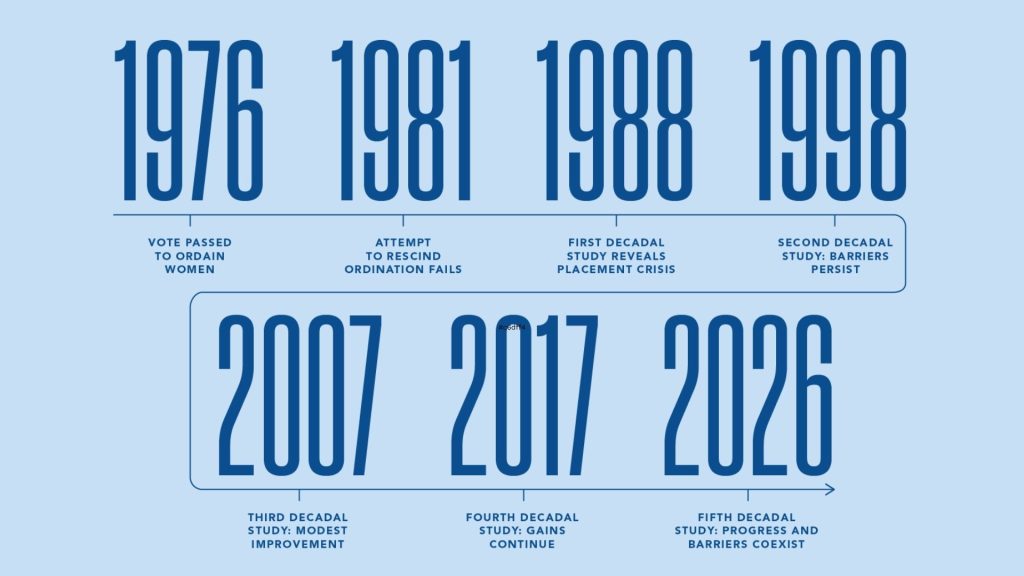
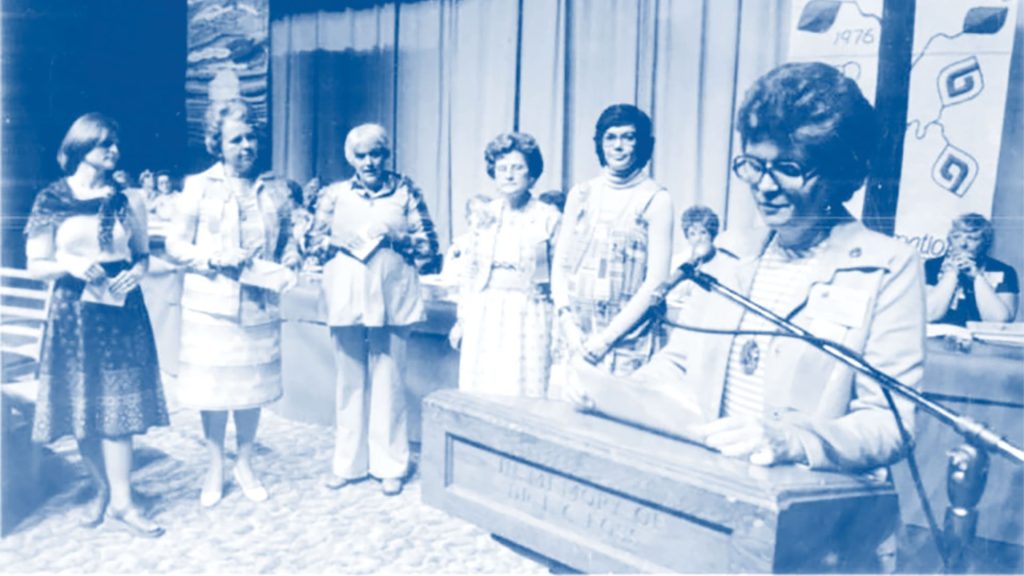
In 1976, the Evangelical Covenant Church voted to ordain women, passing the motion with 70 percent approval. The decision marked a theological commitment: that women, called and gifted by God, could be set apart for ministry alongside men.
Yet even in that moment, the path forward was incomplete. A follow-up motion to fund education, training, and placement support for women in ministry failed. The church affirmed ordination but did not fully invest in what it would take to live into that affirmation.
“Ordaining women pastors will never be a problem for the Covenant. It is placing them in churches that will be.”
— Glenn Anderson, former dean, North Park Theological Seminary (1988)
Every ten years since, the Covenant has revisited the question: not whether women can be ordained, but how that calling is received in practice.
Called and Gifted
The Evangelical Covenant Church affirms that God calls women and men to ministry. Scripture points toward this vision: all called, all sent, all gifted.What the Church Affirms
- Women are called and gifted by God for all forms of ministry.
- Ordination formally recognizes and sets apart that calling.
- The church is strengthened by the full participation of all its members.
Where We Are
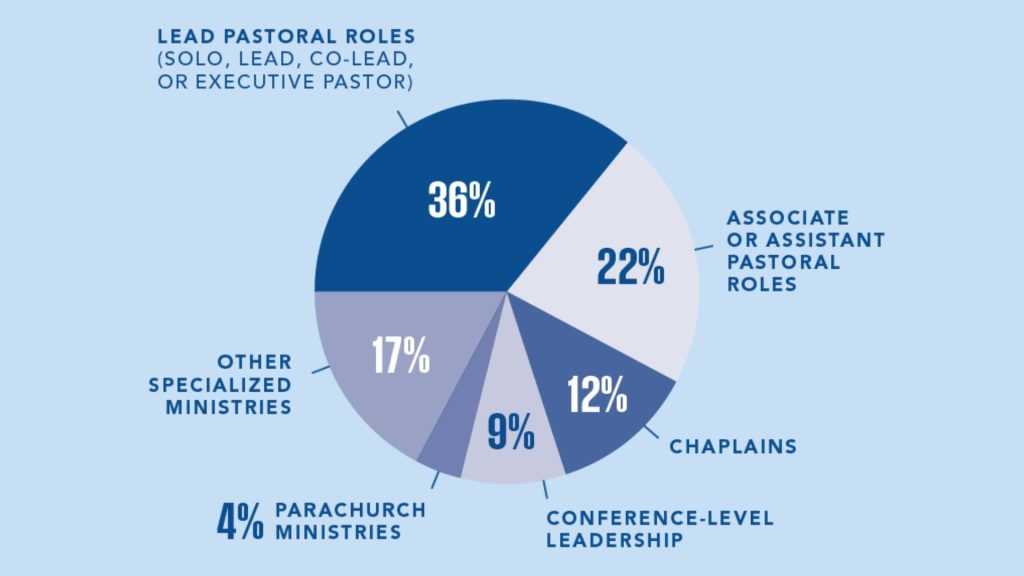
Fewer than one-third of the first generation of clergywomen secured pastoral positions. Today, 77.3 percent serve in paid ministerial positions, with approximately 58 percent of those serving in congregational pastoral roles. While this is significant change, it is also incomplete.
“Once a woman is placed, she is accepted. Aside from this, the attitude remains, ‘It’s okay for someone else’s church, but not for mine.’”
— Survey respondent, from an earlier decadal study
Placement
In 1988, most clergywomen either could not find pastoral positions or eventually left them. By 2026, the majority have found paid ministry roles and stayed. Conference-level barriers that made placement nearly impossible in the 1980s have softened.
A decade ago, 24 percent of clergywomen served in lead pastoral roles. By 2026, that number had grown to 36 percent. This 12-percentage-point increase—a 50 percent jump in one decade—represents the most substantial progress the Covenant has made on role representation.
Where Women Serve
Of the clergywomen surveyed in 2025, ministerial roles span a spectrum. Of those surveyed, 73.4 percent serve in Covenant-affiliated contexts, while 26.6 percent serve in other denominations.
Experience
Most clergywomen report feeling supported by their congregations and denominational structures, though experiences vary over time and by context. At first call, respondents generally reported strong church support and moderate conference support. In later calls, church support remained relatively steady while experiences of conference support became more mixed. Although 89 percent of respondents felt there was room for growth in denominational support, most still described themselves as at least somewhat supported. Experiences also varied widely, with some women serving in pastoral roles without formal recognition or compensation.
“I can see the work the denomination has done and the women before me that has carved the path.”
— Survey respondent, 2025

What Remains
Across five decades, progress has been real, and so have the gaps. The question facing the Covenant today is not whether women can be ordained, but whether the church will fully receive the gifts it has already affirmed.
Fifty years after saying yes, the work is still unfolding.
Content adapted from Michelle S. Dodson, “Five Decades Later: Clergywomen in the Evangelical Covenant Church (1976–2026),” The Covenant Quarterly, Spring/Summer 2026. Read the full decadal study here.