 By Kari Jacott
I wasn’t excited when a friend invited me to watch “I Can Only Imagine.” I thought it was going to be another cheesy Christian movie. What I saw turned out to be an uncompromising portrayal of issues surrounding domestic violence. Ten minutes into the film, tears were flowing down my cheeks, and I heard audible weeping throughout the theatre.
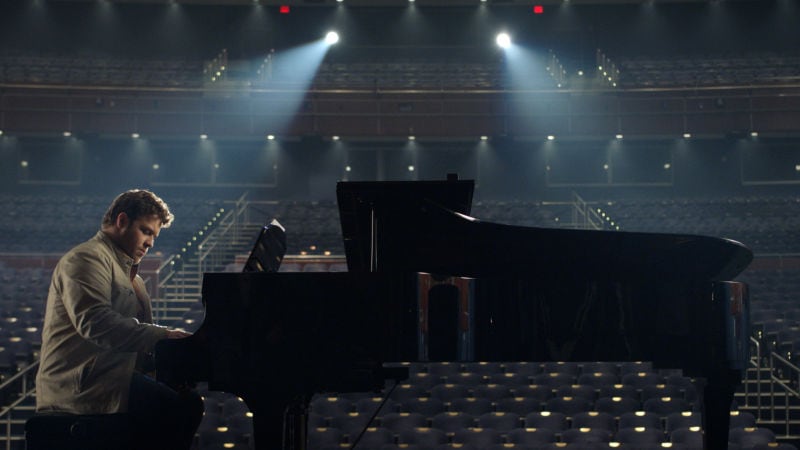
I realized that many of us shared experiences similar to those played out on the screen. The movie tells the story of singer-songwriter Bart Millard and the iconic hit song by the Christian band Mercy Me.
The film begins with Bart’s early childhood experiences of physical and verbal abuse from his father and his survival of abuse as a young adult. It is difficult to watch, especially for viewers who have suffered abuse themselves.
My mind went to people I know. What would this be like for them? Several colleagues have recommended that if you see this movie as a group, especially with students, you find a way to make space for reflection. I was so caught off guard by the experience that some friends remained with me in the theatre while I processed it.
I pray that this movie will accomplish three things in the lives of viewers. First, the movie reminds me how important it is for people to have safe places. Bart Millard experiences Christ’s grace and salvation at Camp Glorieta, which also gives him hope for the future.
In my own experience of speaking at camps each summer, I have met kids like Bart, who come to camp, meet Christ, and leave with hope and changed lives—beyond what they might be going home to.
Second, I pray that viewers who have been abusers may see an onscreen version of themselves and be confronted with their sin and the hurt they have inflicted. I also hope that people will see why it is important for anyone who suspects domestic violence to do something to help the victims.
My third prayer and deep hope is that “I Can Only Imagine” will be a touchpoint for conversations of forgiveness and reconciliation to occur. I pray that wounders can become healers and that the wounded will seek healing and become healers themselves.
Even if reconciliation does not happen, I pray that this film will help abuse survivors to be freed from guilt or blame, and that it will become a means of God’s restorative power in their lives.
It is not an easy movie to watch, but neither is it one to miss.
Kari Jacott is pastor of children, families, and congregational care at Linwood Covenant Church in Wyoming, Minnesota.




Commentary, News
Voices: ‘Imagine’ Hard to Watch, Important to See
I wasn’t excited when a friend invited me to watch “I Can Only Imagine.” I thought it was going to be another cheesy Christian movie. What I saw turned out to be an uncompromising portrayal of issues surrounding domestic violence. Ten minutes into the film, tears were flowing down my cheeks, and I heard audible weeping throughout the theatre.
I realized that many of us shared experiences similar to those played out on the screen. The movie tells the story of singer-songwriter Bart Millard and the iconic hit song by the Christian band Mercy Me.
The film begins with Bart’s early childhood experiences of physical and verbal abuse from his father and his survival of abuse as a young adult. It is difficult to watch, especially for viewers who have suffered abuse themselves.
My mind went to people I know. What would this be like for them? Several colleagues have recommended that if you see this movie as a group, especially with students, you find a way to make space for reflection. I was so caught off guard by the experience that some friends remained with me in the theatre while I processed it.
I pray that this movie will accomplish three things in the lives of viewers. First, the movie reminds me how important it is for people to have safe places. Bart Millard experiences Christ’s grace and salvation at Camp Glorieta, which also gives him hope for the future.
In my own experience of speaking at camps each summer, I have met kids like Bart, who come to camp, meet Christ, and leave with hope and changed lives—beyond what they might be going home to.
Second, I pray that viewers who have been abusers may see an onscreen version of themselves and be confronted with their sin and the hurt they have inflicted. I also hope that people will see why it is important for anyone who suspects domestic violence to do something to help the victims.
My third prayer and deep hope is that “I Can Only Imagine” will be a touchpoint for conversations of forgiveness and reconciliation to occur. I pray that wounders can become healers and that the wounded will seek healing and become healers themselves.
Even if reconciliation does not happen, I pray that this film will help abuse survivors to be freed from guilt or blame, and that it will become a means of God’s restorative power in their lives.
It is not an easy movie to watch, but neither is it one to miss.
Kari Jacott is pastor of children, families, and congregational care at Linwood Covenant Church in Wyoming, Minnesota.
Diana Trautwein
CONTINUE READING
Explore More Stories & News
The Call to Take Heart
In a hard world, Jesus tells us to take heart, and the Holy Spirit helps us practice the hope that makes that possible.
The God Who Comes Down
Artificial intelligence stirs fears that we’ll be replaced, pacified, or destroyed. Each fear assumes we have to save ourselves. Scripture tells a different story: we build up, but God comes down.
Three Hundred Chairs of Hope
A North Dakota church that once rented a single room in a mall now owns and operates it, and they continue to set out extra chairs.
Twenty-Five Years of Miracles
Alaska Christian College marks twenty-five years by looking back at the moments it calls miracles, and ahead to a chapel it plans to build debt-free.
KICY: The Sound of Home
Since 1960, KICY radio in Nome has broadcast Bible teaching and music to western Alaska, where general manager Patty Burchell says radio is still the way people stay connected.
Mál and Muk: Answered Prayer
A grandmother and her granddaughter each tell the story of their last visit in a Yuma hospital, and the two words Mál asked her to hold onto.