 CHICAGO, IL (July 20, 2018) – Covenanters routinely share links to social media articles and videos that Covenant News Service believes may be of interest to others. Each Friday we post five of them. Following is a sample of those submissions—their inclusion does not represent an endorsement by the Covenant of any views expressed.
What 2 Fictional Gileads Can Teach Us About America In 2018
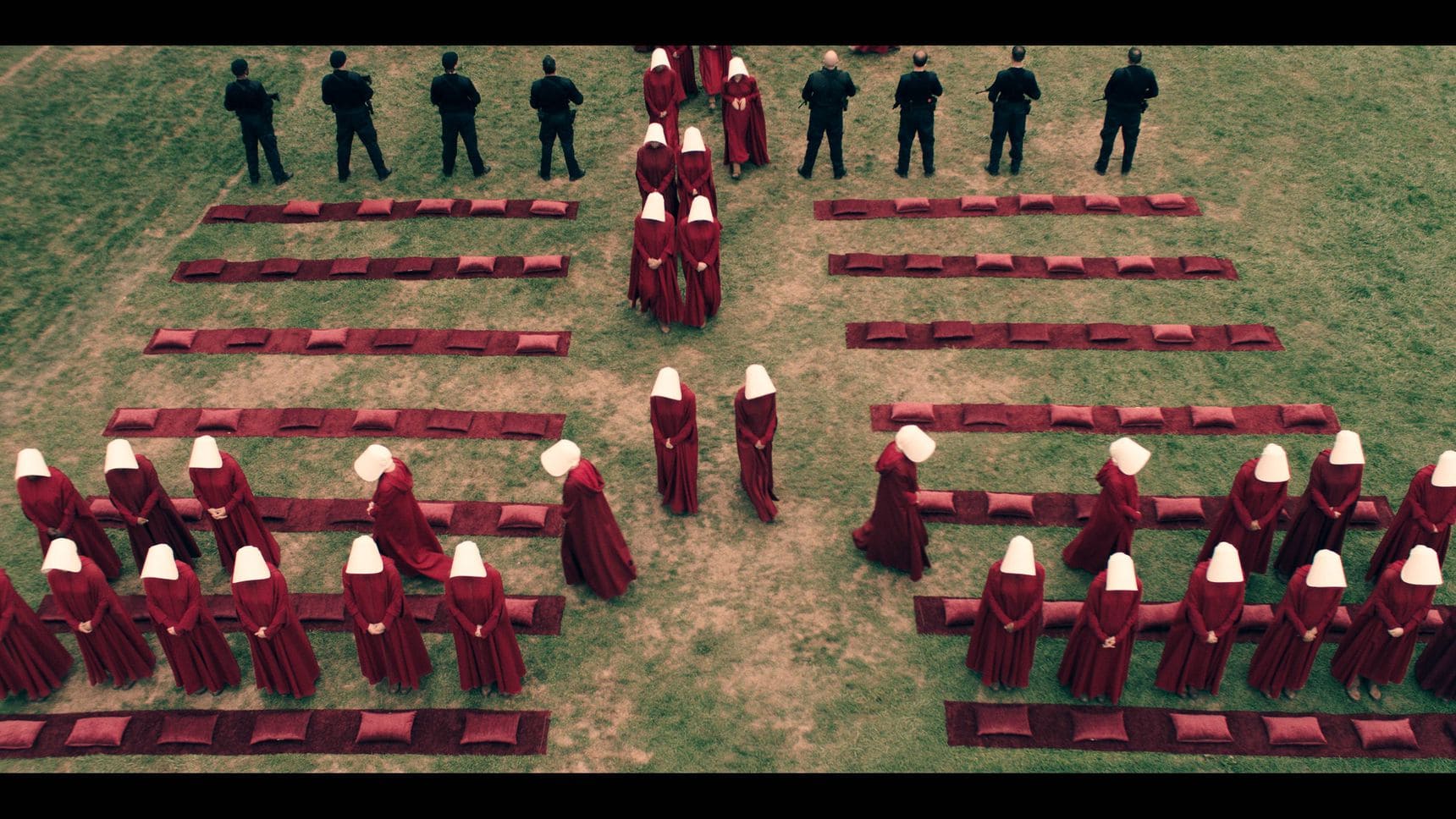
Marilyn Robinson’s hit book Gilead and two companion novels are set in 1956 in a small rural town that seems idyllic on the surface but where fear lurks beneath. Margaret Atwood’s The Handmaid’s Tale takes place in a dystopian future where the fear is obvious. In these days, when fear is a dominant emotion and driver, the novels as well as the hit HBO show based on Atwood’s book summon us to fearless truth-telling and stubborn grace even as we cry out the question posed by “the weeping prophet” Jeremiah, “Is there no balm in Gilead?”
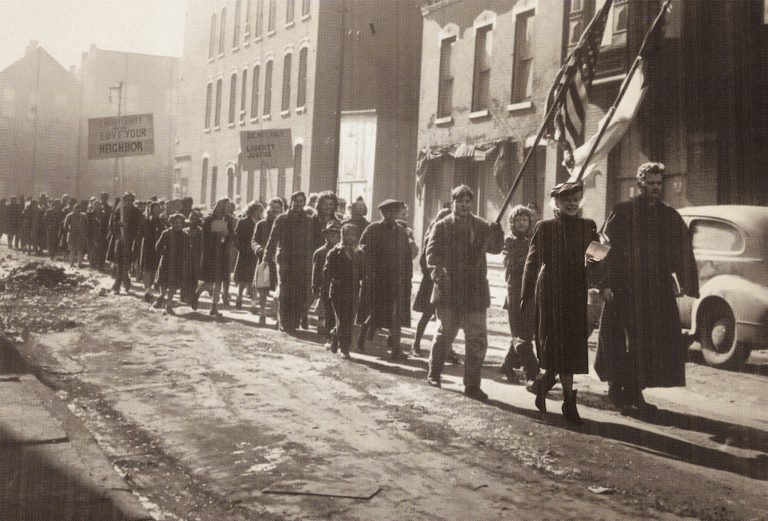
From the article: “Yet for all of their history of tolerance and agitation for the Union’s side in the war, their heritage as a stop on the Underground Railroad, the town of Gilead is not going to be ready for Jack Boughton to bring home his black family. Ames, after thinking about it, tells him as much. Jack, a native of Gilead, knows it already. Even in the ‘shining star of radicalism’ of Iowa, as President Ulysses S. Grant once called it, belief in liberty and belief in equality run along separate rails separated by fear and mistrust.”
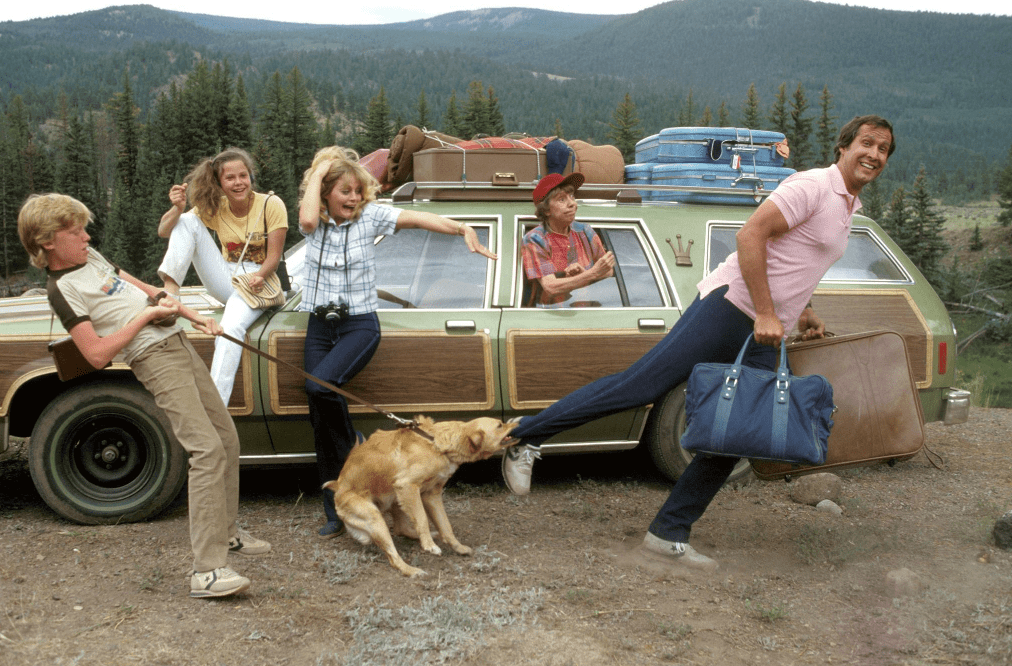
The Rise And Fall Of The Family-Vacation Road Trip
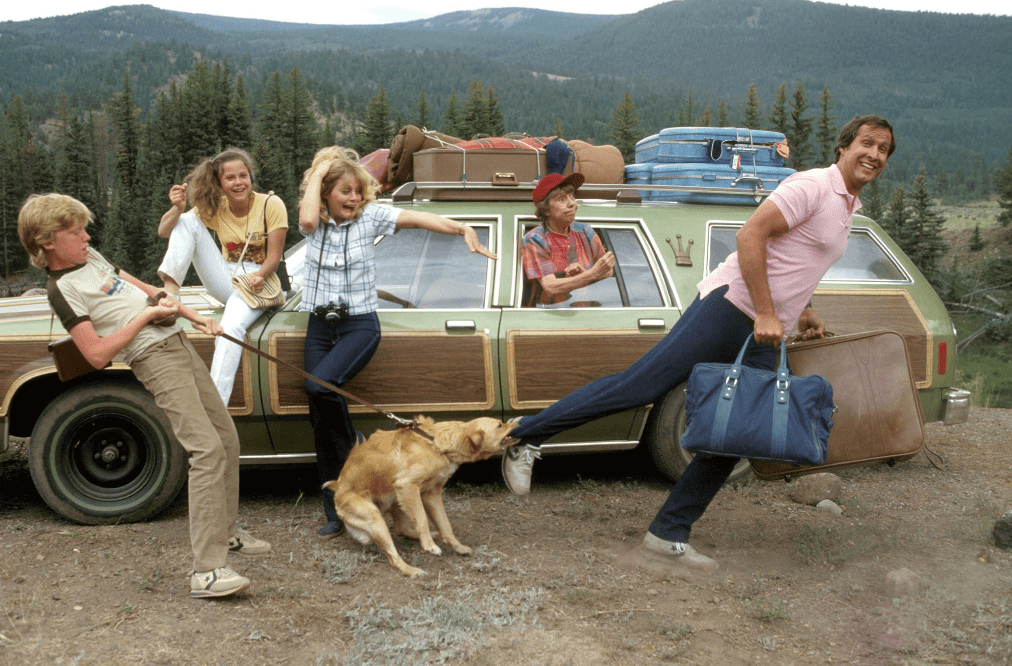
In an interview, Richard Ratay, reflects on his new book Don’t Make Me Pull Over! An Informal History of the Family Road Trip. He makes you want to pack up the car and then take your time getting to wherever it is you decide to go. Without intending to be, there is a lot of metaphor for living to ponder
—when you’re not playing Mad Libs.
From the article: “’I’m very conscious about making the journey part of the destination and its own reward, and so my wife and I are very conscious about picking out great places for us to stop along the way. We went out to Mount Rushmore a few years ago, but we took kind of a meandering route and went through Iowa and we stopped off at the Field of Dreams, where they shot the movie. We were just there for an hour, but it was a great stop.’”
Office Chairs Are Under Siege
Everything you didn’t know you wanted to know about office chairs. Did you know Frank Lloyd Wright designed a chair that tipped over so easily it was dubbed “the suicide chair?” Or that Americans prefer to lean back in their chairs, but the Japanese tend to sit only towards to front of theirs? Or that there has been an 83 percent rise in sedentary jobs since 1950? One author who researched the topic and tested hundreds of office chairs wants nothing to do with them. He notes that increasingly, “Sofas are much more important; lounge chairs are interesting.” Note to boss…
From the article: “From ancient Egyptian artisans to Charles Darwin, who created the first modern office chair—yes, really—figuring out a better way to get stuff done while seated has been an age-old human obsession. Where will our deepening understanding of human physiology and psychology take the office chair next?”
The Intolerable Rise of Perfectionism
People know we’ll never be perfect, but that doesn’t mean we find it easy to accept. That raises a number of questions: Why does perfectionism seem to be on the rise? What’s the worst that can happen to us if we don’t do something perfectly? Why do we find it so hard to be gracious to ourselves?
From the article: “On one hand, [Tom] Nicol is philosophical about the elusiveness of perfection. ‘The chaotic nature of our world means that it’s going to be extremely transient and even if you attain it for a moment, if you’re a striving kind of person, you’ll want the next thing,’ he says. On the other, he castigates himself for falling short.”
“Fanfare for the Common Man”: Anthem for the American Century
Aaron Copland was commissioned by the Cincinnati Symphony Orchestra in 1942 and was inspired by a speech given by then vice-president Henry Wallace who was trying to rally Americans to fight imperialism. It has inspired people around the world—and out of this world—ever since.
From the article: “‘In spite of the current political landscape,’ says Lynne Gilbert. ‘I guess I still believe that there is an American dream of peace and prosperity for everyone. Music that soars and inspires like this piece does bring hope for the future. It’s powerful, it’s direct and it’s really just American.’”