 CHICAGO, IL (August 17, 2018) – Covenanters routinely share links to social media articles and videos that Covenant News Service believes may be of interest to others. Each Friday we post five of them. Following is a sample of those submissions—their inclusion does not represent an endorsement by the Covenant of any views expressed.
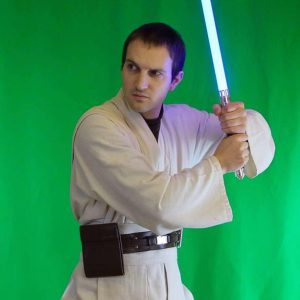
The LeBron James of Lightsaber Fighting
Sure, they’re nerdy, but these warriors are athletic with quick reflexes. Lightsaber dueling is a serious sport. The swords, made of a special polymer that lights up, come with sound boards and can cost up to $6,000.
From the article: “The sabers won’t break bones—or chop any hands off—but they leave some nasty welts. So full body protection is required, including a regulation fencing mask and gorget (neck guard) capable of withstanding at least 450 Newtons of force. Yes, even saber dueling’s rules are kind of admittedly dweeby. ‘We use the terms “nerd” and “nerd sport” but definitely in a proud way,’ says Bloch. ‘We’re geeks and nerds but not in the stereotypical way that we’re not athletic or uncoordinated.’”
How a Transplanted Face Transformed a Young Woman’s Life
A reporter and photographer with National Geographic had incredible access to the story of a young woman’s ordeal and what will be a lifelong recovery. Although the magazine gives a warning (included below), the images are as beautiful and respectful as the writing.
From the article: “This story is difficult to look at. Yet we are asking you to go on the remarkable journey of how a young woman received a face transplant because it reveals something profound about our humanity. Our face conveys who we are, telegraphing a kaleidoscope of emotions. It’s our doorway to the sensory world, allowing us to see, smell, taste, hear, and feel the breeze. Are we our faces? Katie Stubblefield lost hers when she was 18. When she was 21, doctors gave Katie a new face. This is a story of trauma, identity, resilience, devotion, and amazing medical miracles.”
The Unreality of Luck
Is there such a thing as luck? Or is the concept of someone being lucky or unlucky all in our head? The philosopher who wrote this article studied optimists and pessimists to see how they interpreted the same events.
From the article: “It turns out that there is a simple variance in personality that determines one’s perspective on luck….One of the things this means is that the more optimistic you are, the more you think others are lucky. If you are more of a pessimist, you’re likelier to see others as suffering bad luck.”
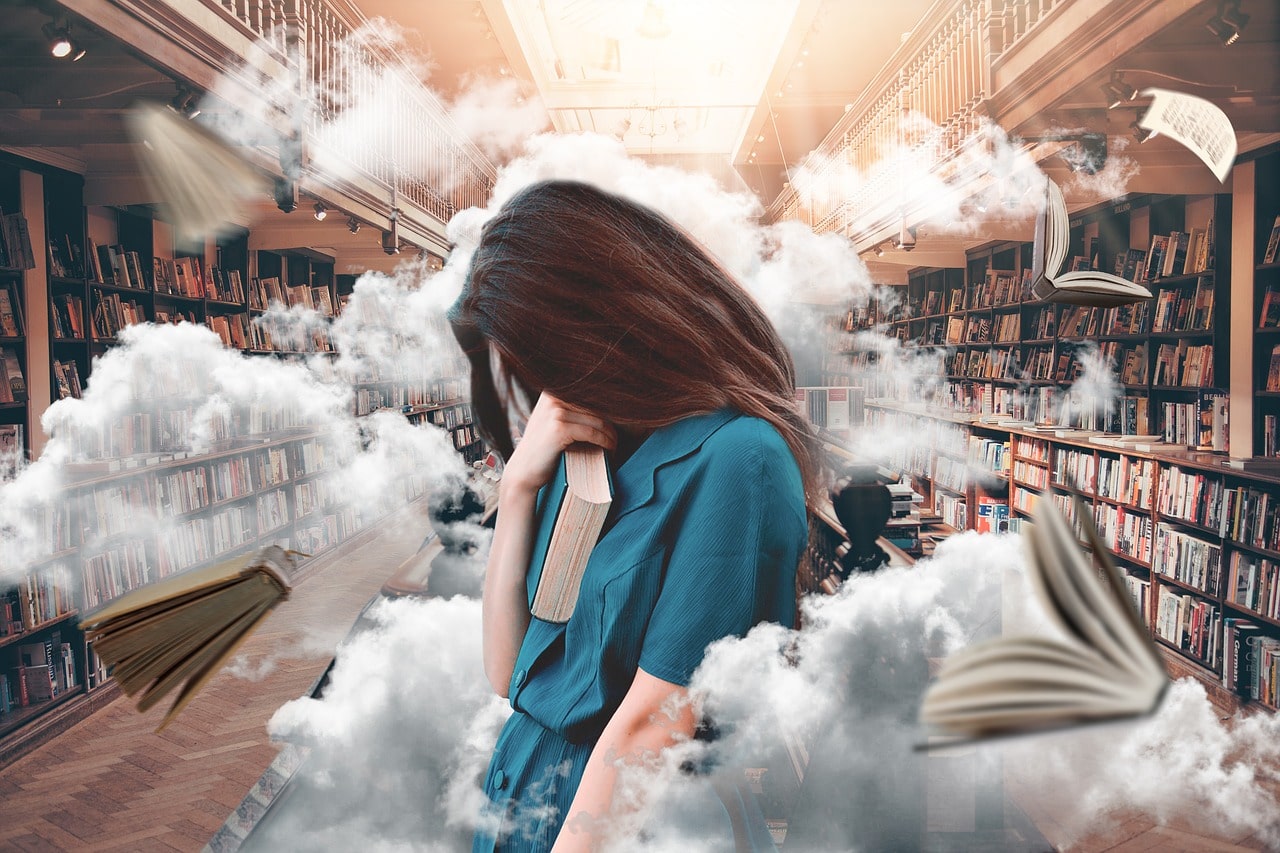
How to Revolutionize the Way You Read
You are under no obligation to finish every book you start. So stop procrastinating and start browsing.
From the article: “Books can be difficult to read as a modern person because our attention spans have dropped below that of a goldfish’s whopping nine seconds. You have little hope of getting through Sapiens, not to mention this very article. Ironically, this is precisely why Ravikant reads 10-20 books at any given time. If something doesn’t hold his attention, he simply returns to it later or abandons it altogether. He knows that reading is a tool to help him build skills over a lifetime.”
The Case for Rooms
Have you ever wished that someone on a remodeling or house-hunting show said they did not want an open concept? The author of this article provides an extensive history of the transition from houses designed with lots of rooms to the current “open concept” preference. It includes an interesting sociological history related to class differences. If you took the article as a metaphor, it might suggest that while openness can be a good thing, perhaps there’s such a thing as too much transparency.
From the article: “In a recent essay in The Atlantic, Ian Bogost described a new luxury concept called the ‘mess kitchen’—a second kitchen out of sight from the main kitchen and the rest of the open plan. He cited it to demonstrate why the open floor plan and its rhetoric around ‘entertaining’ have reached new levels of absurdity. However, to me, the mess kitchen offers hope for a transitional period where open spaces may become closed again.”