
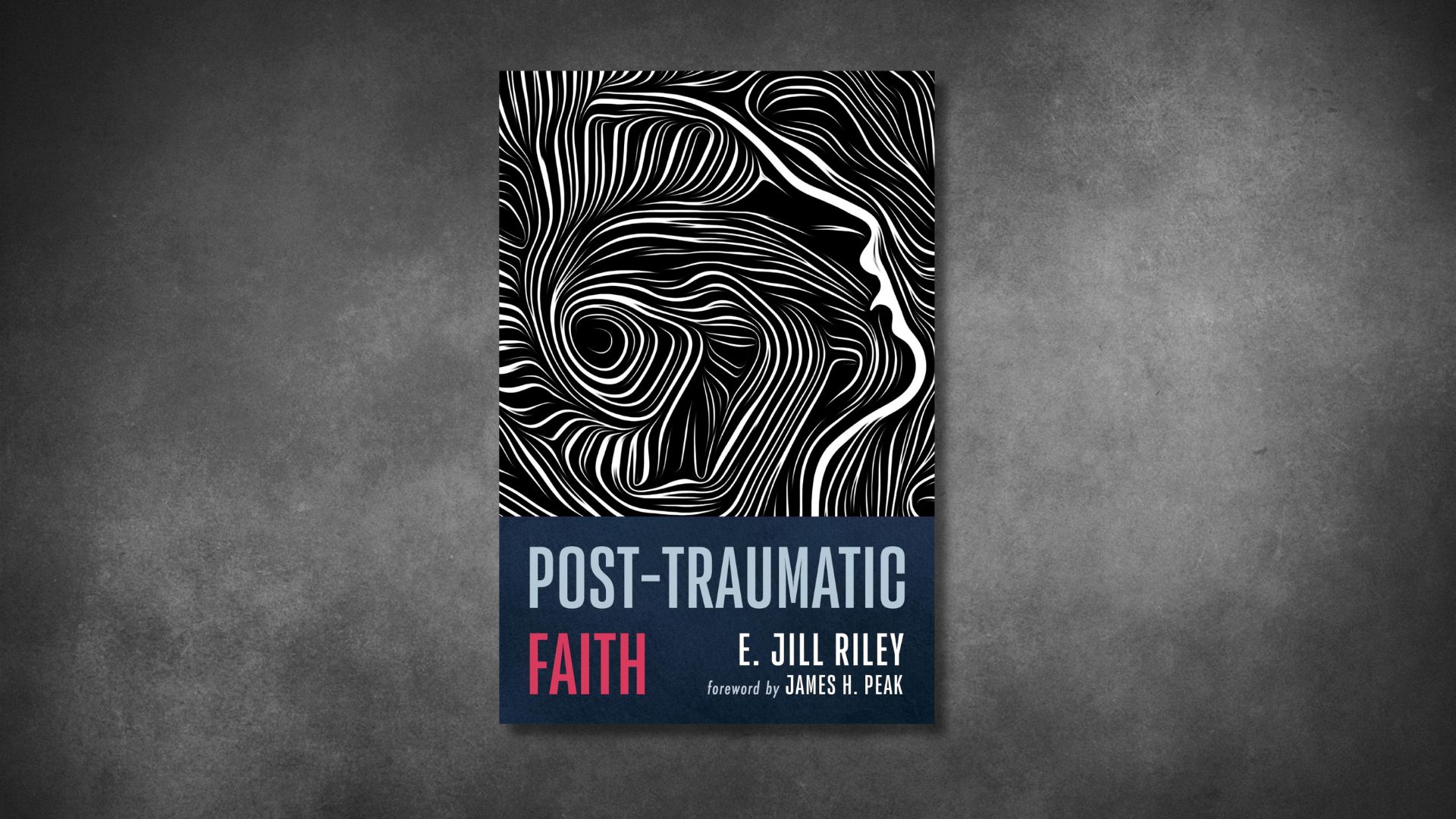
Post-Traumatic Faith
E. Jill Riley
Cascade Books, 154 pages
E. Jill Riley’s Post-Traumatic Faith is more than just a memoir—it’s a lifeline for anyone grappling with mental illness. Raised in an environment of abuse and eventually diagnosed with complex PTSD and dissociative identity disorder, Jill opens up about her life and healing, addressing how faith plays a critical role in navigating trauma. She offers readers a deeply personal narrative, recounting experiences from her early years as an adoptee in an abusive family to her work in ministry and eventual struggles with mental health.
Jill’s ability to articulate the pain of her past while holding onto hope is a testament to her strength. She invites readers into a deeply personal space, allowing them to see how her faith supported her in the darkest times. This honesty is valuable because it makes the book feel like a conversation with a trusted friend who understands and empathizes without judgment.
Knowing Jill, who is the communications assistant for the Pacific Northwest Conference, I recognize the bravery and vulnerability that went into this book, both in sharing her trauma and in demonstrating how her faith intersected with her journey through mental illness. Her honest recounting of her experiences reflects a depth of resilience that is inspiring for anyone facing similar struggles.
Post-Traumatic Faith is not only a profound personal account, but it is also a valuable resource for fostering understanding and compassion within faith communities. Riley is committed to destigmatizing mental illness within faith communities, and her book underscores that mission. Her approach to ministry is both raw and hopeful and is one that welcomes vulnerability and acknowledges the complex layers of faith and healing. This perspective is vital in any ministry setting because it reminds us that supporting others spiritually often includes addressing mental health with sensitivity and care.
This book emphasizes the need for faith communities to be safe spaces where people can find support for their mental health struggles without feeling isolated or judged. Her experiences underscore the importance of training ministry leaders to understand trauma and mental health, ensuring they can offer empathetic and informed care.
This article was first published in the Covenant Companion Winter 2025 issue, the official magazine of the Evangelical Covenant Church.