
[vc_row][vc_column width=”1/1″][vc_column_text]CHICAGO, IL (February 1, 2016) – Many Covenant Latino church members are suffering shame, anger, pain, and fear due to the inflamed political rhetoric that they say dehumanizes them and which is made all the worse because it is supported by so many evangelicals.
Although there have long been differences and harsh words over immigration, they reached a heightened level when Donald Trump spoke to a largely white audience last June and said, “When Mexico sends its people, they’re not sending their best. They’re not sending you. They’re not sending you. They’re sending people that have lots of problems, and they’re bringing those problems with us. They’re bringing drugs. They’re bringing crime. They’re rapists. And some, I assume, are good people.”
According to polls at the time, the comments received strong support from many evangelicals, and recent polls show that as many as 37 percent of people who call themselves evangelicals support Trump’s candidacy.
Many Latinos I know feel ashamed by what people say about them in a country that they feel hates us, that wants us out. – Ed Delgado, CHET president.
Latino Covenanters want their fellow ECC members to oppose the language and attitudes. Danny Martinez, pastor of Grace Covenant Church in Spring Valley, California, and president of the Ministry of Hispanic Covenant Churches in the United States (MHIPE), said, “My immediate reaction, my gut feeling is, being part of the Covenant church for 28 years now, is ‘Did you hear what Donald Trump called me?’… I’m not Mexican but I represent, you know, all of Latin America.”
He continued, “We are Latin America, and we represent the church, so how do you feel about Donald Trump calling me a rapist and a criminal and a murderer? How are you going to react to that? And if you truly believe that you and I are brothers and sisters in Jesus Christ, if you truly believe that we are in the same boat, then that should offend you.”
Abraham Bejarano, pastor of Emmanuel Covenant Church in Northridge, California, said, “When we talk about how bad ‘those people’ are, then we’re talking about our children. We are talking about people in our own family and churches.”
“I totally feel offended by what is being said because anybody who speaks Spanish is labeled as Mexican, and it is sad when people don’t recognize the difference and the richness of our different cultures,” said Karen Figueroa, who is from El Salvador and works as an executive assistant at Centro Hispano de Estudios Teologiicos (CHET), the Covenant’s Hispanic leadership training center.
“It also is offensive when the statements are made as a general way of diminishing the hardworking people who do contribute to the wealth of this country,” Figueroa added. “I have talked to my kids about it, and we pray for the people that are not knowledgeable of the reality of applauding candidates that want to win the vote with these types of comments. I tell them our stories. The stories that matter, the stories that have made this country one of immigrants.”
[vc_video link=”https://youtu.be/DTfjO4JlTmI”]
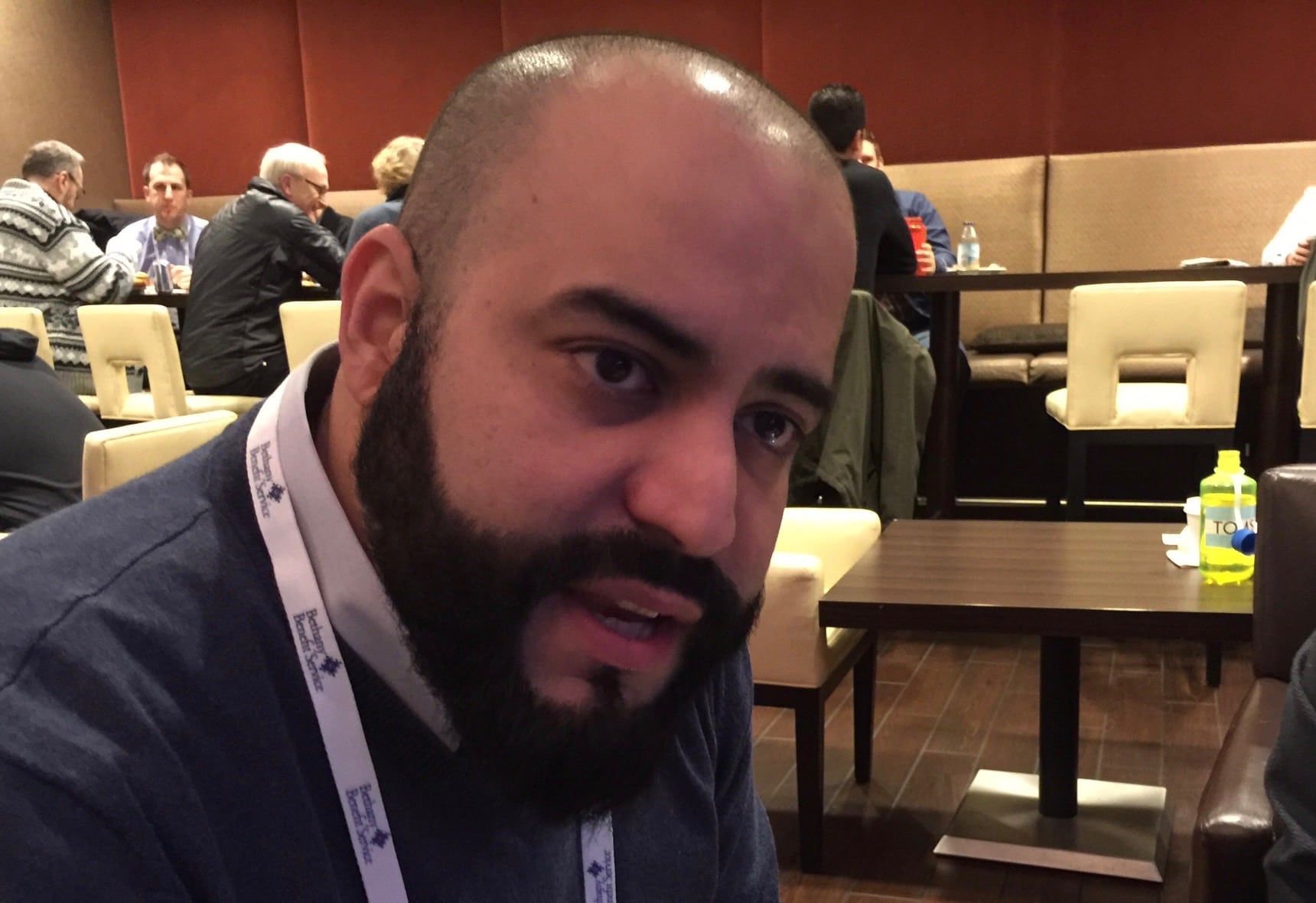
The language is about more than words and political philosophy. “Many Latinos I know feel ashamed by what people say about them in a country that they feel hates us, that wants us out,” said CHET President Ed Delgado.
The political campaigns also remind Latinos of elections in many of their native countries, Delgado added. “For Latinos who recently left or fled hardship, they wonder where, if anyplace on earth, there is to go. Talk of building yet another wall, but only in the Southern border is despicable, and openly prejudicial.”
Figueroa added that Latinos must work to make others aware of what they have fled and the need to work towards a better future in the United States. “As a church we also need to let others know of the importance of doing our homework. We have been suppressed by the government in our countries with so much corruption that we lose the energy to fight for the truth and for equality.”
Bejarano said he believes fear is at the root of the harsh attitudes toward Latinos and immigrants. “People fear outsiders, and you have a nation that is fearful about the future, but it is that fear that is making our families live in fear.”
Latinos are reminded of that fear and distrust whenever derogatory statements are made about Muslims as well, Delgado said. “It’s the same thing.”[/vc_column_text][/vc_column][/vc_row]