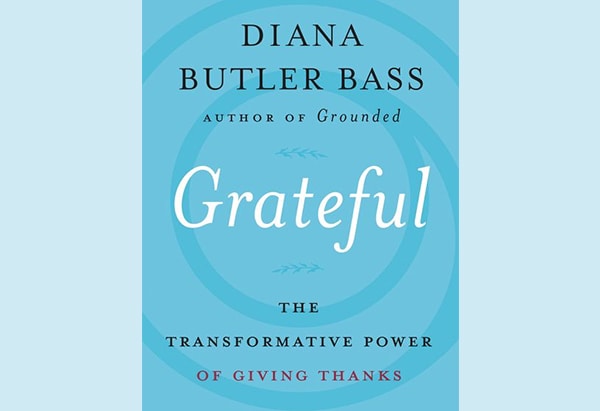
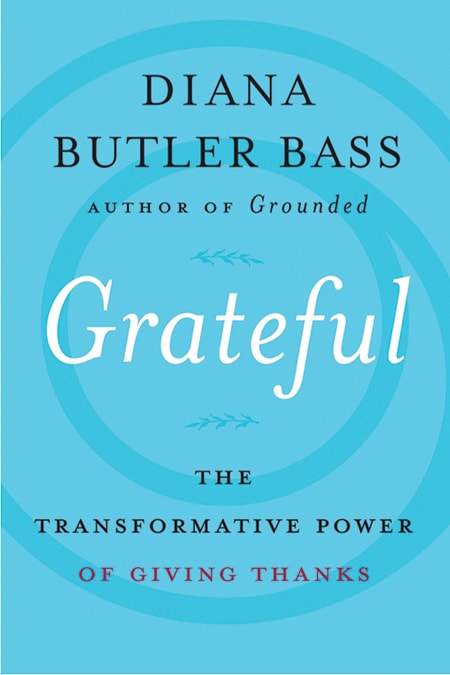
Grateful
The Transformative Power of Giving Thanks
Diana Butler Bass
HaperOne, 256 pages
Reviewed by Cathy Norman Peterson | November 21, 2018
’Tis the season to give thanks. It’s the time of year when we ask each other, “What are you thankful for?” And studies indicate that 78 percent of Americans say they felt strongly grateful in the past week.
Yet in practice many of us struggle to move beyond perfunctory gratitude. Writer and theologian Diana Butler Bass is one of those people. In her latest book, Grateful: The Transformative Power of Giving Thanks, she confesses her own challenges with this topic. One question she delves into is this: is it possible—or even healthy—to be grateful in the midst of suffering?
Bass writes about the long years it took for her to begin healing from the abuse she experienced from a relative. “I cannot remember a single moment when I was able to forgive,” she writes. But “one morning some forty years after the fact, I woke up feeling sorry for my uncle….And I felt oddly grateful. Not for his suffering or for the injustice done to me. No one should ever feel grateful for sin, evil, or violence. No one should ever express gratitude for the bad choices of others—those bad choices are never gifts. I do not know if what I felt was forgiveness, but I experienced a profound sense of appreciation that my own pain had not taken the same form that his had. This suddenly seemed a miracle.”
She also tells a story of getting fired from her job teaching in a Christian college. When he let her go, the president said, “You just don’t fit. This wouldn’t be a good place for you. One day you will thank me for this.” The comment added insult to injury for Bass, who describes her feelings of betrayal, anger, and indignation. Who was he to tell her she would be grateful?
But a week later a friend challenged her to come up with one thing she was grateful for. “I struggled. I could think of about a hundred things that frightened and worried me. Finally, I blurted out, ‘For my friend Julie.’” That was the beginning. Bass started a journal in which she wrote down one thing each day that she was thankful for. The practice helped her begin to notice the gifts in her life. And it started changing how she viewed the world.
Gratitude journals are a common way to practice thankfulness these days. Yet Bass names some potential pitfalls of such tools. “My gratitude diary became a kind of list of the benefits of being a middle-class white person. It actually made me uncomfortable. I realized that I thought of gratitude as a commodity tally, a sort of positive emotional account of nice stuff.” She goes on to note that paying attention to the good things in her life was indeed a helpful practice, but it only goes so far. “Gratitude, at its deepest and most transformative level, is not warm feelings about what we have. Instead, gratitude is the deep ability to embrace the gift of who we are, that we are, that in the multibillion-year history of the universe each one of us has been born, can love, grows in awareness, and has a story.”
The book outlines other practices that help cultivate gratitude—gratitude prayers, the Ignatian practice of Examen. But what makes Grateful different from other books on this subject is Bass’s invitation to expand beyond individual practices to corporate or communal thanksgiving. She points to festivals, social media, graduation ceremonies and parades, and of course the Eucharist—the most holy of feasts we share, with gratitude, together.
Grateful is a call to practice thankfulness when we don’t feel like it. Bass is an honest, vulnerable guide, and she reminds us that we share the journey together. The book concludes, “Give thanks. Live in gratitude. There is a place for you at the table.”