Educating Latino Students Far and Near
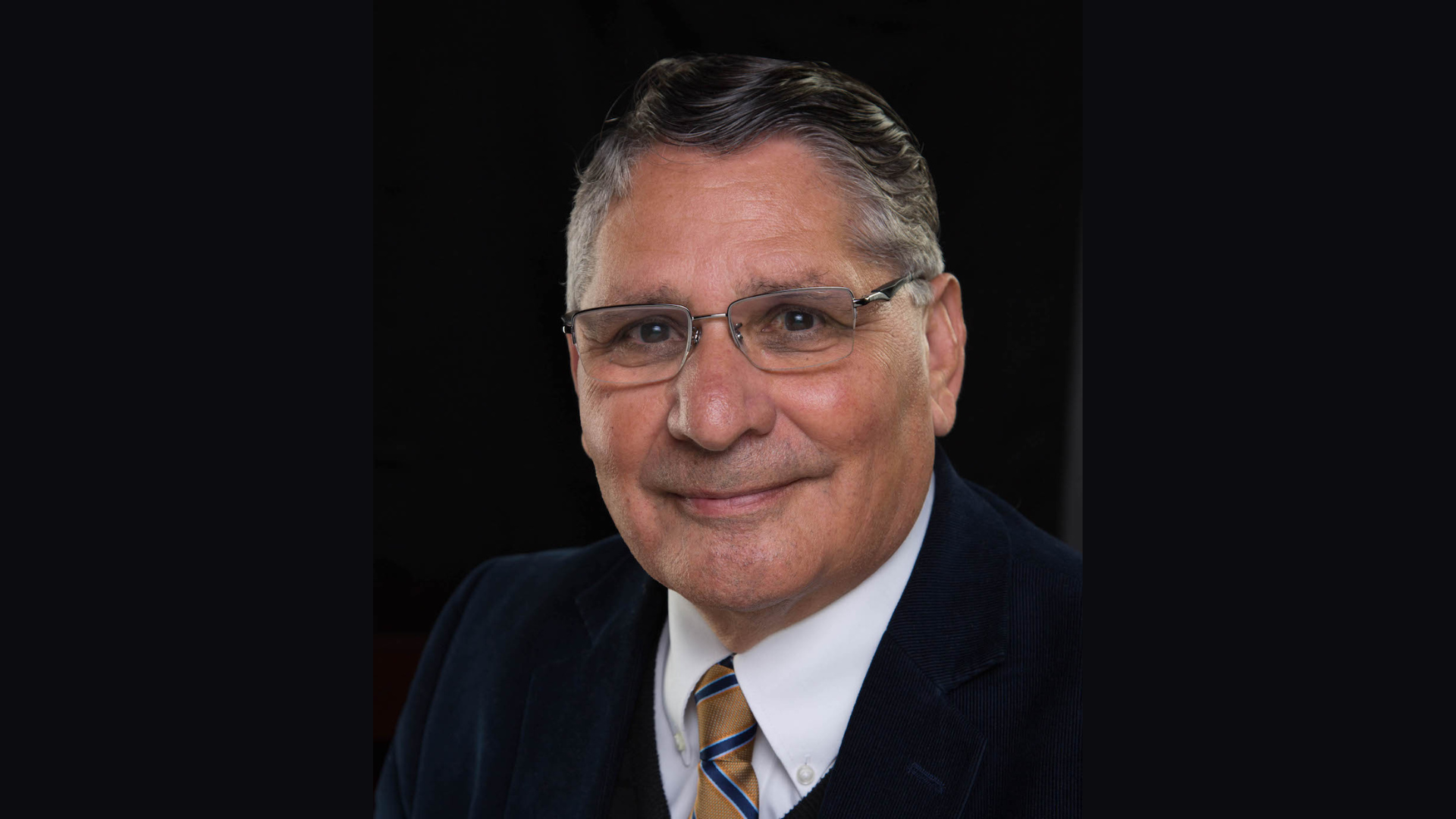
Ed Delgado has served as president of Centro Hispano de Estudios Teológicos (CHET), the Covenant theological school for Spanish-speaking pastors, church planters, and lay people, since 2007. We asked him how CHET is changing to serve students today.
CHET has been educating Spanish-speaking students in theology for nearly thirty years—how has this ministry changed and adapted throughout its history?
In 1989 CHET was started with an endowment from First Covenant Church of Los Angeles. We continue to be supported by that endowment, as well as donations, legacy gifts, and student tuition. Today we offer programs ranging from pre-ministerial classes to a bachelor’s degree in Christian ministry. Our students come from seventeen countries, and in the past thirty years, we have graduated more than 10,000 students from our programs!
One of our primary goals has always been to reach under-served, non-served, and under-resourced Latino and Latina students with opportunities for ministry education. The average student pays only $5,000 to earn a bachelor’s degree through CHET.
Thirty years ago we could serve our students by offering classes in physical classrooms. But as the Latino population has grown and spread out, we began to dream about acquiring synchronous virtual classroom technology.
How did that dream develop into the program it is today?
We researched the technology and realized we would need at least $150,000 to get started. Miraculously one of our former board members made a generous legacy donation specifically to start virtual classrooms. Then we negotiated with providers to get the cost significantly reduced. The initial installation, including updated technology and internet upgrades, plus an additional portable tower, cost us half what we had originally anticipated—around $70,000. Now students and teachers can connect in real-time from literally anywhere in the world where sufficient baud rate and satellite services are available.
How do you maintain a classroom community?
Our main classroom has two monitors where onsite students can see the remote students, enabling them to have full interaction. They are able to participate in discussions and group experiences.
One student wrote, “It has been a blessing to take courses through the virtual classroom. It feels as if we are physically there!” We are the only Hispanic Bible institute in the United States with this technology.
What do you see as the future for CHET?
Our goal is to continue to equip students for ministry in places that either do not have Bible institutes in Spanish, or do not have them at all, as well as to make such education affordable. The use and demand of technology in education without a doubt will continue to grow. We are excited about the future!