As a seminary student, I knew that the majority of Covenant churches were in rural communities, but when the time came for me to accept my first call, I was looking everywhere but a rural setting. I wanted adventure. I wanted to create change. I wanted opportunity. And where in the world is Ceresco, Nebraska?
According to the US Census Bureau, 60 million people live in rural settings in this country. There are likely no Starbucks in those communities, but there’s probably a Subway in the gas station. You know you’re in a rural area if the town has a big water tower, the people drive big trucks, and the main street has an antique store.
These stereotypes may make you chuckle, but misperceptions about the church in rural settings can be damaging. Many people assume that small-town churches are dying, ingrown, ineffective, and weak. Sometimes people think that pastors who serve those churches are less talented than pastors who serve in other settings. Yet if you get to
know a rural church, you’re likely to find committed, thoughtful pastors and vibrant congregations who are reaching their communities and the world with the love of Jesus Christ.
Jesus’s parables about planting seeds, growing crops, and a plentiful harvest carry different weight in a rural church.
I served as pastor in the rural community of Ceresco for ten years, and I was surprised by the adventure, change, and opportunity I experienced in that setting. The changing of the seasons are marked not by colorful leaves, but by spring planting, summer spraying, fall harvesting, and winter snow drifts. Jesus’s parables about planting seeds, growing crops, and a plentiful harvest carry different weight in a rural church, especially to the farmers who invited me to ride with them in their combine at harvest time and talk about faith.
In small towns it’s not unusual for every person you pass on the street to wave “hello.” Neighbors look out for each other. Yes, it can sometimes feel like living in a fish bowl, but most of the time it’s wonderful. They show up to drink coffee with someone who is lonely. They make anonymous deliveries of food to those who are hungry, and they visit those who are sick. And they invite their pastor to participate with them in proclaiming the gospel to their neighbor, both in word and deed. As a pastor, I was challenged every day—yet I was content. I got to know people intimately, I got to see spiritual growth, joy, and also heartache up close.
Many people in rural congregations remain in their community throughout their lives. That means they are often committed to their congregation in a deeper way than in settings where people are more transient. Sometimes generations of families have made the same church their home, which means they have years of wisdom to share with the congregation. When it’s time to cast mission and vision, the pastor can navigate congregational issues more adeptly because so much history has been preserved through story.
When Philip met Jesus, he immediately went to Nathanael and told him, “We have found the one Moses wrote about in the Law, and about whom the prophets also wrote—Jesus of Nazareth, the son of Joseph.” And Nathaniel’s immediate response was, “Nazareth! Can anything good come from there?” Philip answered, “Come and see” (John 1:44-46). Nazareth was a small agricultural village. Yet something beautiful and salvific came from that place.
When people ask me why I love rural ministry or what good can come from a rural church, my response is always the same: “Come and see.” We proclaim the gospel. We exalt Jesus. We bring change. We care for the poor. We make a difference for the kingdom’s sake. And that, more than anything, is what every community needs.
About the Author
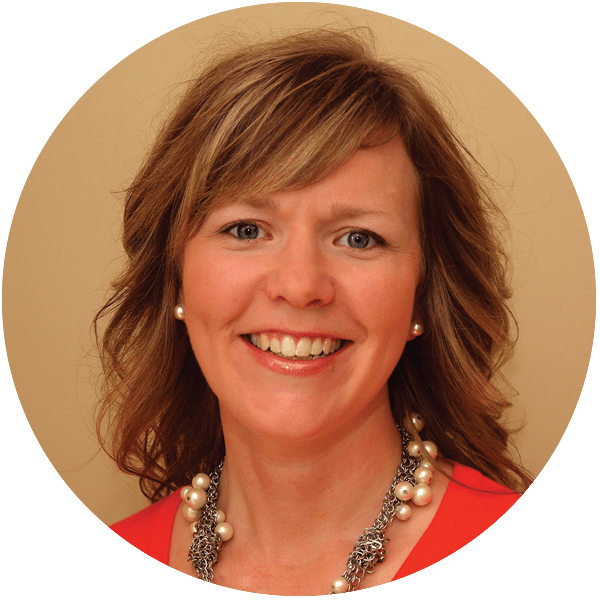
Jodi Moore served two rural churches before moving to Lincoln, Nebraska, with her husband and two daughters. She is currently serving as a staff pastor at First Covenant Church in Lincoln.



Commentary, News
Can Anything Good Come from a Rural Church?
As a seminary student, I knew that the majority of Covenant churches were in rural communities, but when the time came for me to accept my first call, I was looking everywhere but a rural setting. I wanted adventure. I wanted to create change. I wanted opportunity. And where in the world is Ceresco, Nebraska?
According to the US Census Bureau, 60 million people live in rural settings in this country. There are likely no Starbucks in those communities, but there’s probably a Subway in the gas station. You know you’re in a rural area if the town has a big water tower, the people drive big trucks, and the main street has an antique store.
These stereotypes may make you chuckle, but misperceptions about the church in rural settings can be damaging. Many people assume that small-town churches are dying, ingrown, ineffective, and weak. Sometimes people think that pastors who serve those churches are less talented than pastors who serve in other settings. Yet if you get to
know a rural church, you’re likely to find committed, thoughtful pastors and vibrant congregations who are reaching their communities and the world with the love of Jesus Christ.
I served as pastor in the rural community of Ceresco for ten years, and I was surprised by the adventure, change, and opportunity I experienced in that setting. The changing of the seasons are marked not by colorful leaves, but by spring planting, summer spraying, fall harvesting, and winter snow drifts. Jesus’s parables about planting seeds, growing crops, and a plentiful harvest carry different weight in a rural church, especially to the farmers who invited me to ride with them in their combine at harvest time and talk about faith.
In small towns it’s not unusual for every person you pass on the street to wave “hello.” Neighbors look out for each other. Yes, it can sometimes feel like living in a fish bowl, but most of the time it’s wonderful. They show up to drink coffee with someone who is lonely. They make anonymous deliveries of food to those who are hungry, and they visit those who are sick. And they invite their pastor to participate with them in proclaiming the gospel to their neighbor, both in word and deed. As a pastor, I was challenged every day—yet I was content. I got to know people intimately, I got to see spiritual growth, joy, and also heartache up close.
Many people in rural congregations remain in their community throughout their lives. That means they are often committed to their congregation in a deeper way than in settings where people are more transient. Sometimes generations of families have made the same church their home, which means they have years of wisdom to share with the congregation. When it’s time to cast mission and vision, the pastor can navigate congregational issues more adeptly because so much history has been preserved through story.
When Philip met Jesus, he immediately went to Nathanael and told him, “We have found the one Moses wrote about in the Law, and about whom the prophets also wrote—Jesus of Nazareth, the son of Joseph.” And Nathaniel’s immediate response was, “Nazareth! Can anything good come from there?” Philip answered, “Come and see” (John 1:44-46). Nazareth was a small agricultural village. Yet something beautiful and salvific came from that place.
When people ask me why I love rural ministry or what good can come from a rural church, my response is always the same: “Come and see.” We proclaim the gospel. We exalt Jesus. We bring change. We care for the poor. We make a difference for the kingdom’s sake. And that, more than anything, is what every community needs.
About the Author
Jodi Moore served two rural churches before moving to Lincoln, Nebraska, with her husband and two daughters. She is currently serving as a staff pastor at First Covenant Church in Lincoln.
Diana Trautwein
CONTINUE READING
Explore More Stories & News
Cov Doings: Youth Ministry Edition
Stories from Covenant youth ministry about a student-led worship night, a paid summer service program, and a forty-year-old gathering for middle schoolers.
Reflections on Writing Scripture, Our Comadre
Sophia A. Magallanes-Tsang traces how friendships in the Latina community shaped the way she reads Scripture.
From a House in Winnipeg to a Family Across Canada
From the west coast to Quebec, the Evangelical Covenant Church of Canada stays connected through relationships and looks toward a more diverse future.
Imagination as a Christian Practice
When our imagination grows too small, so does our care; Kristin T. Lee invites us to picture another life and widen the circle of love.
The God of Enough
A week with CWRD partner COCEPRADIL in the mountains of Honduras showed me the gift of dependence and the privilege of planning for the future.
Go and See
Jesus’s instruction to “go and see” reframes scarcity as partnership—and shapes how Covenant World Relief and Development works alongside communities today.