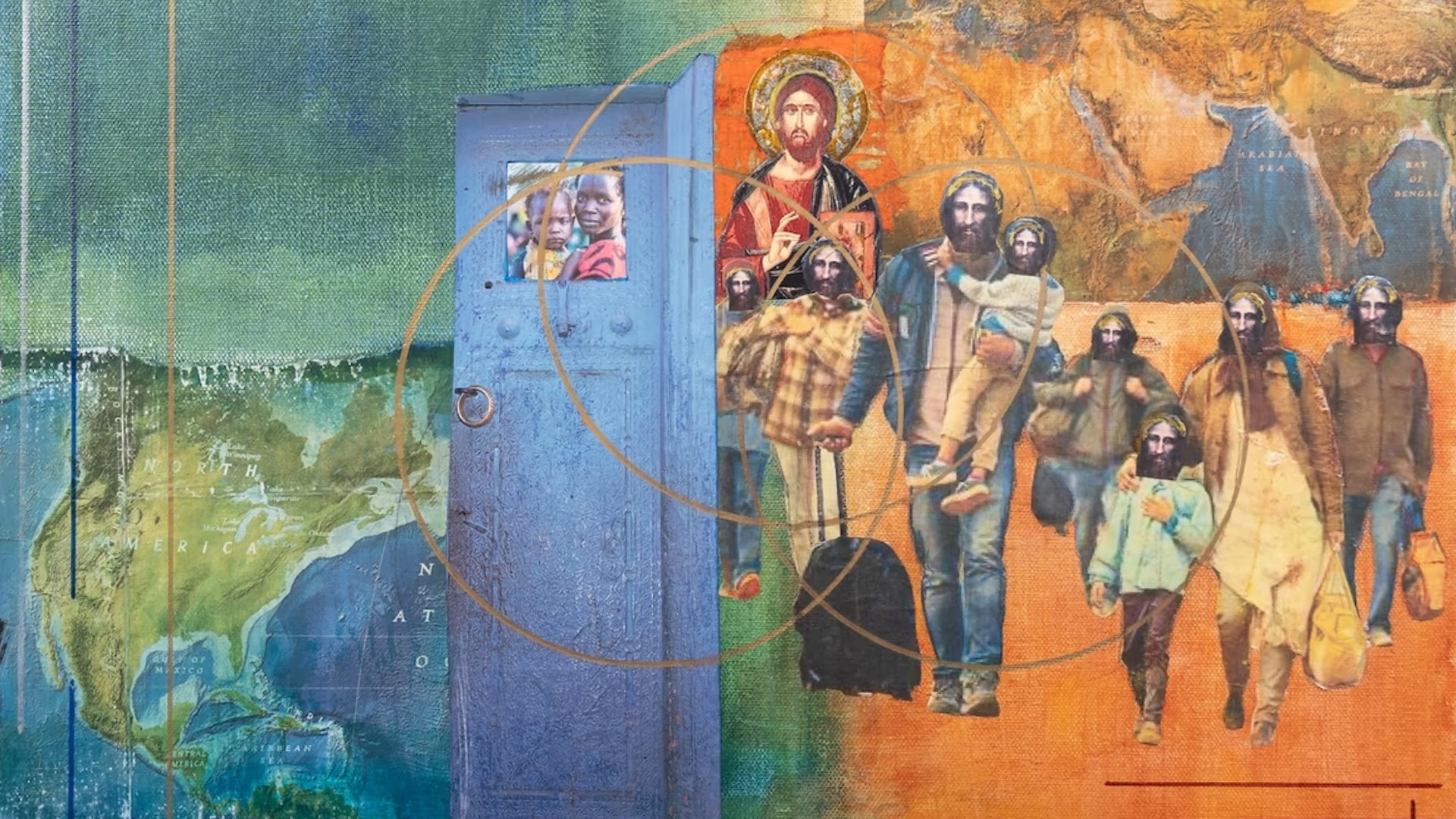

These reflections are adapted from Jesus, The Refugee King: Embracing the Marginalized and Displaced, an Advent resource created by Covenant World Relief & Development.
Peace rarely arrives suddenly. More often, it unfolds through small decisions to stay when leaving would be easier. Ruth’s story begins our second week of Advent in that place. She is a widow in a foreign land, standing at a crossroads with grief behind her and uncertainty ahead.
Her journey begins with loss and a choice.
It’s easy to imagine Ruth standing on the road to Bethlehem, dust clinging to her sandals, listening as Naomi urges her to turn back. Moab is the safer option where the language is familiar. Familiar customs. Familiar gods. It offers peace, at least on the surface. But Ruth chooses something riskier than safety. She chooses loyalty. She chooses love. “Where you go, I will go,” she says—words that sound poetic now, but they must have felt terrifying then.
The devotional reminds us that Ruth’s story mirrors the lives of many immigrants and refugees today. People like Abiba, a widowed mother who was forced to flee violence with her children, arriving in a new land with no guarantees. Peace did not arrive for her all at once. It came slowly—through trauma healing, through learning to farm unfamiliar soil, through building relationships with neighbors who at first were strangers. Peace grew one ordinary day at a time.
Ruth’s peace did not come because everything worked out neatly. It came because God met her in her loyalty, in shared hunger, in long days of labor, in faithfulness that probably did not feel heroic. Her life tells us that peace is not the absence of fear—it is the presence of God in the middle of it.
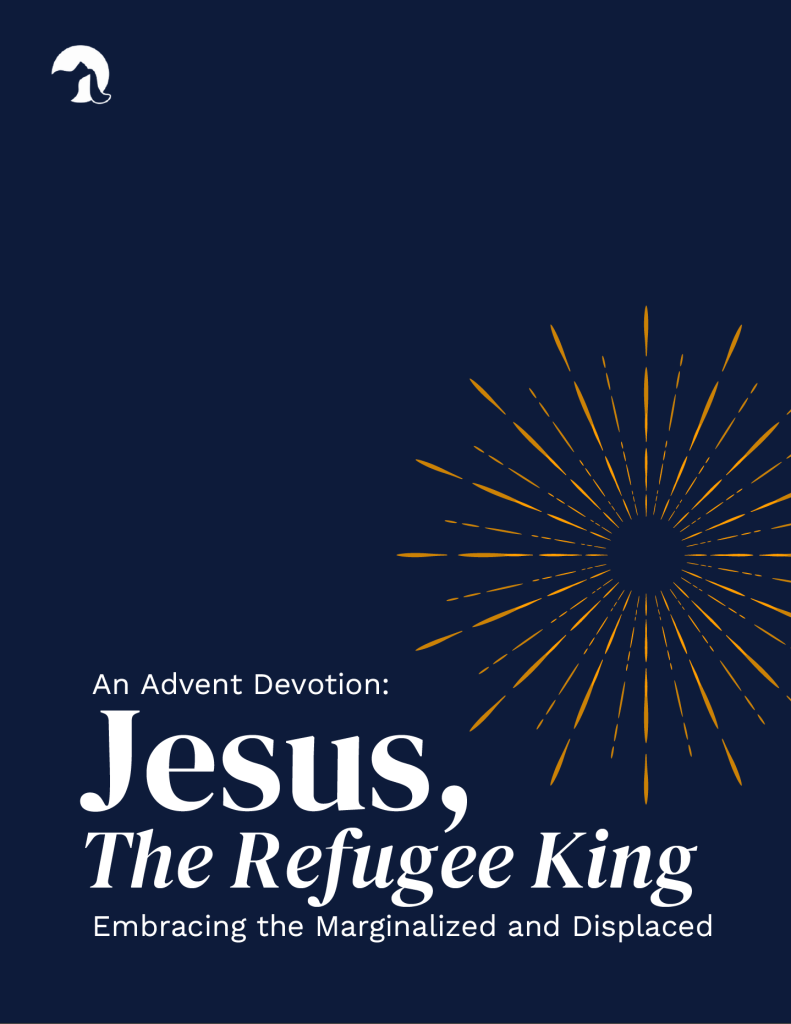
Jesus, The Refugee King is an Advent resource from Covenant World Relief & Development that journeys through the genealogy of Jesus in Matthew 1, exploring the stories of individuals who faced exile, displacement, and marginalization.